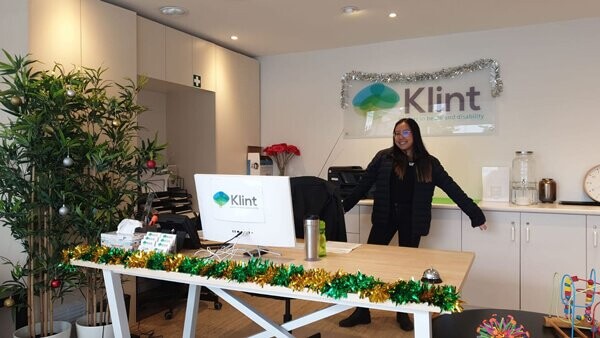
Tucked into the shops at 487 Highett Road, a few minutes from Highett station, Klint's Highett clinic offers a specialised kind of physiotherapy. Its team works with adults and children living with conditions that affect the brain, spinal cord, inner ear and nerves, from stroke and Parkinson's disease to spinal cord injury, multiple sclerosis and dizziness.
Klint describes itself as more than a private practice: a collective of neurological physiotherapists who help people "recover, adapt and regain control" over their lives. Its stated purpose is to help people regain control of their bodies and learn to move well for life. Highett is one of several Klint clinics around Melbourne, alongside sites in Forest Hill, Heidelberg, Malvern and Narre Warren.
People first, condition second
"We treat people first, condition second," is how the practice sums up its philosophy. Its website explains that because no two people are alike, treatment is always tailored, and that neurological conditions rarely affect only one part of the body, so the team looks at the whole picture. Through careful observation, listening and exploratory treatment, it says, therapists work out the nuances of a problem before arriving at a plan.
The practice calls its method a Blended Learning Approach and likens each therapy session to a lesson. It is built on five elements, which Klint says it uses flexibly: active listening, problem solving, educating, connecting and evaluating.
Every session is one-on-one. The first element, active listening, is about understanding a person's concerns, fears and ambitions without judgement, and it sets the direction for therapy. Problem solving reflects Klint's view that every neurological problem, whether paralysis, tremor, weakness or sensory loss, has a scientific solution, but that not every solution suits every person.
The conditions listed on Klint's website give a sense of its range. Alongside stroke, Parkinson's disease and multiple sclerosis, they include acquired and traumatic brain injury, cerebral palsy, concussion, facial palsy, functional neurological disorder, Guillain-Barré syndrome, spinal muscular atrophy, dystonia and vestibular problems causing dizziness. The practice also describes its values: being culturally diverse and inclusive, ethical and accountable, and committed to continually learning and improving.
Learning as part of therapy
Education is central to the company's culture, according to its website, and that carries into the treatment room. Klint describes education as a dialogue in which therapist and client learn from one another, with sessions pitched at the right level, designed to uncover new insights and teach self-management.
Connecting means linking clients with resources, support groups and other professionals. Depending on a person's needs, Klint says it can bring together neurologists, orthotists, occupational therapists, hand therapists, psychologists, neuropsychologists, therapy assistants and rehabilitation engineers. Evaluating involves photos, videos and validated outcome measures to track progress, and a senior therapist may join a session to provide a fresh perspective.
Longer sessions and intensive blocks
One practical difference is time. Klint's frequently asked questions say its consultations are longer than most, typically ranging from 45 minutes to two hours, so there is room to analyse a movement problem, treat it and explain what is happening.
The practice also offers intensive therapy. Rather than seeing someone once a week for eight weeks, it says, it can fit those sessions into one or two weeks, with sessions of one to one-and-a-half hours, up to twice a day. Its website links this to neuroplasticity, the nervous system's ability to reorganise in response to challenge, and says many clients begin to show observable change within a couple of sessions in the right conditions. The team also stresses movement quality: creating smoother, better-timed movement before repetitive practice, rather than relying only on exercise equipment.
Experience and supervision
Klint says its clinical governance is led by clinical leads and mentors, supported by senior therapists who each have more than ten years of experience. Its therapists teach other physiotherapists and university students, deliver lectures, run courses and provide consultancy in neurology, and the practice says its team logs professional development hours well above the level its registration board requires.
The website's articles add another dimension. One piece looks at the growing use of dance, including tango classes, in Parkinson's therapy, reflecting the team's interest in new approaches to movement.
Getting started
No referral is needed: Klint's physiotherapists are primary contact practitioners. The practice says it is a registered provider with the NDIS for people aged seven and above, and it also works with TAC, WorkCover, private health insurers and Home Care Packages. Medicare Chronic Disease Management plans may apply where a GP confirms eligibility.
Not every session has to happen at the clinic. Klint lists home visits, school visits, aged care visits and telehealth, as well as hydrotherapy and gym programmes, equipment prescription and training for carers and families. It notes that some treatment is more effective in the clinic, and suggests discussing options when getting in touch.
The Highett clinic has on-site parking and accessible toilet facilities. Klint's directions say to turn into Train Street and take a left into the undercover car park, then look for the Klint signs marking its allocated spaces.
Visit Klint Highett
Address: Shop 3–4, 487 Highett Road, Highett VIC 3190
Phone: (03) 9555 2273
Hours: By appointment; call to book
Website: https://klintneuro.com.au/highett/
Email: reception@klintneuro.com.au
Parking: On site via Train Street (undercover car park, signed Klint bays)