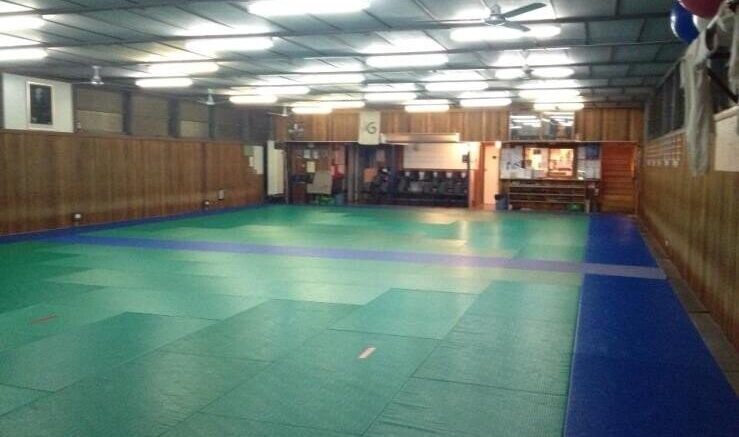
Walk down the lane at the end of the shops opposite Glenhuntly station, look left, and you will find a judo club that describes itself as being “amongst the oldest clubs in Australia”. The Caulfield Judo Centre, at the rear of 1147 Glen Huntly Road, has been teaching “the gentle way” since the early 1960s. Its founder built the dojo by hand, working on it every afternoon after work and every weekend.
A dream maker from London
The club's story begins with Arthur Moorshead, whom the club's own tribute describes as “an inspiration to judo in Australia”. Born in London in 1931, Arthur started judo at the age of eight. According to the club, he had wanted to go to catch wrestling with his older brother, but his mother thought it too hard for him, so he took up judo instead.
After the war his training continued. The club tells the story of Arthur collecting the Japanese instructor Kenshiro Abbe from the airport on a day of howling wind, snow and ice. The only transport available was Arthur's motorbike, so Abbe rode pillion to the family home, where he went on to live for many years. Abbe had Arthur study aikido, karate and kendo as well, and the club records that he reached Dan grades in all but kendo. Under his teaching, Arthur went on to represent England in the early 1950s.
His competitive career ended dramatically. In those days, the club explains, there were no weight divisions, and in France Arthur faced an opponent of about 120 kilograms. Arthur himself weighed about 76 kilograms. The raised contest area gave way, and he was left with both hips dislocated. He spent months in hospital in traction and was told he would never walk again. His response, as the club records it: “The doctors told me I'd never walk again, so I thought about it and months later I walked out of the hospital!”
Building a dojo in Glen Huntly
Arthur migrated to Melbourne in the early 1960s with his wife Joan and their young daughter Carolyn. The club records that he first held judo classes at the back of his house in Waverley Road, then in a hall off Hawthorn Road, Caulfield. He then took on a lease of railway land in Glen Huntly, where the club still stands.
Arthur built the dojo himself, working on it each afternoon after work and every weekend. In 1993 he and his second wife Susie bought the land. In 2000 the dojo was extended with an upstairs dojo named in honour of Maria Pekli, the Sydney 2000 Olympic bronze medallist, who was a student at Caulfield at the time.
An Olympic legacy
Arthur's contribution to Australian judo went well beyond Glen Huntly. The club lists his achievements: appointment as Manager and Coach for the 1988 Seoul Olympics, his 8th Dan, the Medal of the Order of Australia (awarded in the 1999 Queen's Birthday Honours for service to judo as an administrator, coach and examiner), and election as President of the Judo Federation of Australia. He also held an international referee's licence, which the club notes was a "B" licence because he was "too old to go for 'A'". It says he refereed at thirteen international tournaments. As President of the Judo Federation of Australia, he travelled to all five continental judo unions, including China and Egypt. Among his proudest moments, the club lists the day he became an Australian citizen.
Arthur died on 29 January 2010. In the club's words, he “trained thousands of students” and was proud of them all, “particularly those selected for the Australia Olympic team.” The club says it has carried on with distinguished coaches, some of them his former students, who “continue teaching the traditional values of judo in all walks of life.” Its promise is that it “will continue at its current premises and carry his spirit forward forever.”
Learning the gentle way
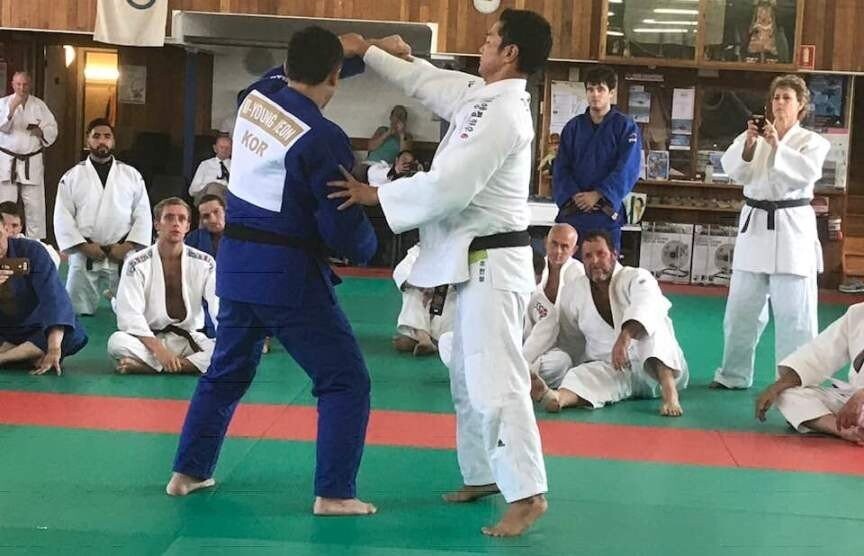
The word judo, the club explains, translates from Japanese as “the gentle way”. It was created in Japan in 1882 by Dr Jigoro Kano as a physical, mental and moral exercise, and has been an Olympic sport since the 1964 Tokyo Games. The club describes training as a physical and mental workout. “One of the unique abilities of Judo is the ability for a smaller person to overcome a larger and stronger opponent with the use of technique and co-ordination.”
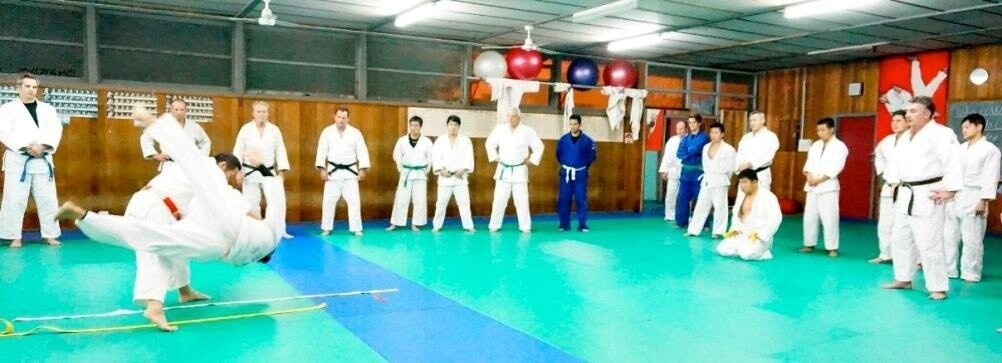
Judo is popular for its competitive side, in which the aim is to throw or take an opponent down, then hold them or make them submit. Classes cover throwing and hold-down techniques, with arm locks and chokes taught to seniors. The syllabus is geared to each age group, and students progress as they master each stage. The club is affiliated with Judo Victoria and Judo Australia, so students are graded under the national governing body. Those grades are recognised around the world, which matters to anyone who wants to compete at state, national or international level.
Classes for all ages
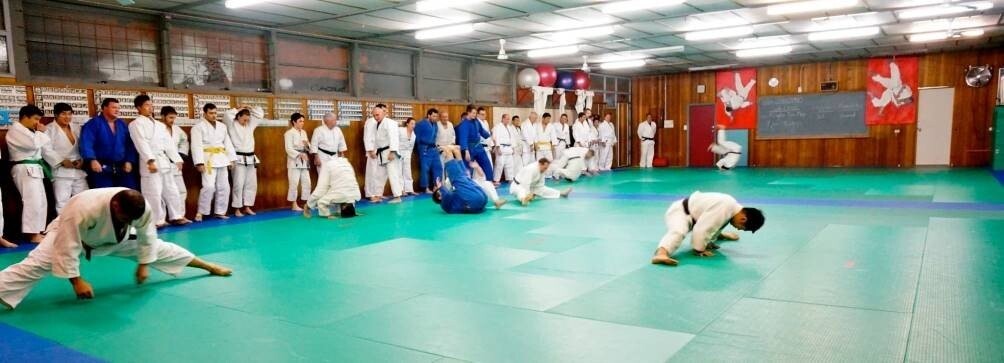
The club runs three groups, according to its training times page. Juniors aged four to eight train on Monday and Wednesday from 5.30pm to 6.30pm, and on Saturday from 9.30am to 10.30am. Juniors aged eight to 12 train on the same days for longer, from 5.30pm to 7pm on weeknights and from 9.30am to 11am on Saturday. Seniors aged 13 and over take the later slots, from 7pm to 8.30pm on Monday and Wednesday and from 11am to 12.30pm on Saturday, and advanced juniors are welcome to join them.
Parents are welcome at the junior classes.
The current coaches listed on the club's website are Matthijs Klinkert, 2nd Dan (Nidan), and Igor Arzhintar, 1st Dan (Shodan). The club notes that its instructors speak English, Dutch, Russian and Hebrew. It says its instructors “have many years of experience and are carefully selected”, and that students learn the martial art and sport of judo “in a safe and controlled environment.”
Why locals come back
According to local reviews, the club offers a welcoming, supportive and disciplined environment with excellent coaches. Reviewers say it suits adult beginners as well as children. Ratings are strong, though from a small number of reviews.
Finding the dojo
Getting there is part of the charm. The club suggests catching the number 67 tram along Glen Huntly Road to stop 60, opposite Glenhuntly station, then walking down the lane at the end of the shops. Trains on the Frankston line stop at Glenhuntly station. The club's website notes that level crossing works affected access to its regular car park, so drivers should check the latest arrangements before they visit.
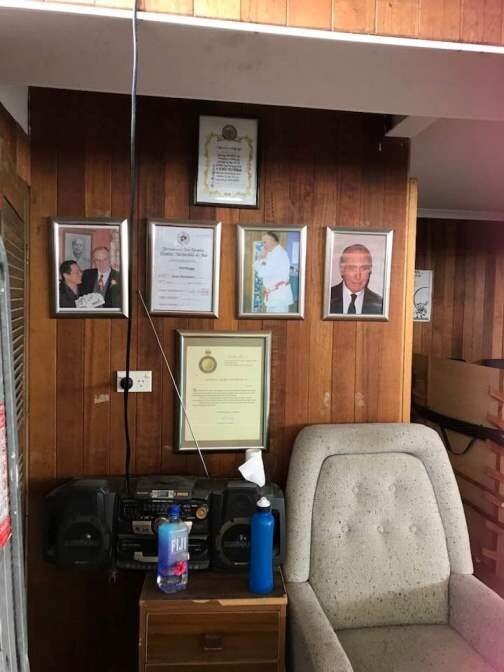
Decades after Arthur took on a patch of railway land, his dojo is still teaching children and adults the gentle way.
Visit Caulfield Judo Centre
Address: Rear of 1147 Glen Huntly Road, Glen Huntly VIC 3163 (down the lane opposite Glenhuntly station)
Phone: 0406 319 138
Hours: Classes Monday and Wednesday from 5.30pm and Saturday from 9.30am; times vary by age group (see above)
Website: caulfieldjudo.com.au
Facebook: https://www.facebook.com/pages/Caulfield-Judo-Club/216490878391126
Good to know: Affiliated with Judo Victoria and Judo Australia; classes for children from four through to adults