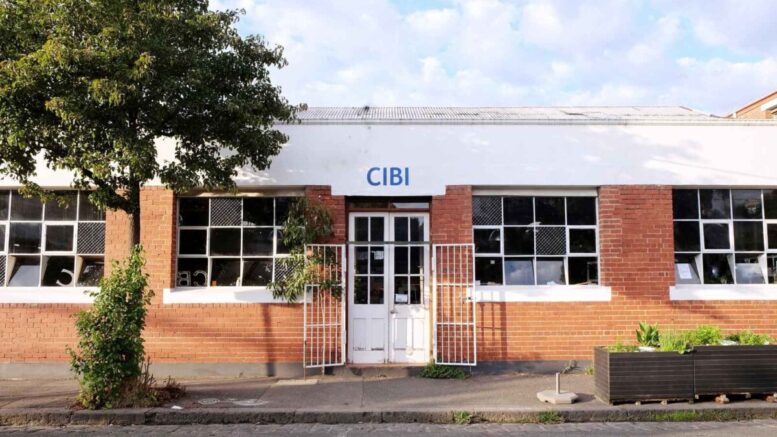
On Keele Street, just away from the Smith Street shopping strip, CIBI at 33–39 Keele Street, Collingwood brings a Japanese café, design store and grocer into one address. A meal and a look around the shelves are not separate ideas here. They are different expressions of the same interest in the objects, ingredients and everyday rituals that make a home feel good.
Established by Meg and Zenta Tanaka in July 2008, CIBI combines their experience in food, wine, design and architecture. Its name draws on chibi, a Japanese word meaning a little one. The reference is to a child's curiosity: looking closely, touching things, discovering how they work and becoming attached to favourite objects. That spirit gives the business a useful organising idea, whether the subject is a breakfast plate or a kitchen tool.
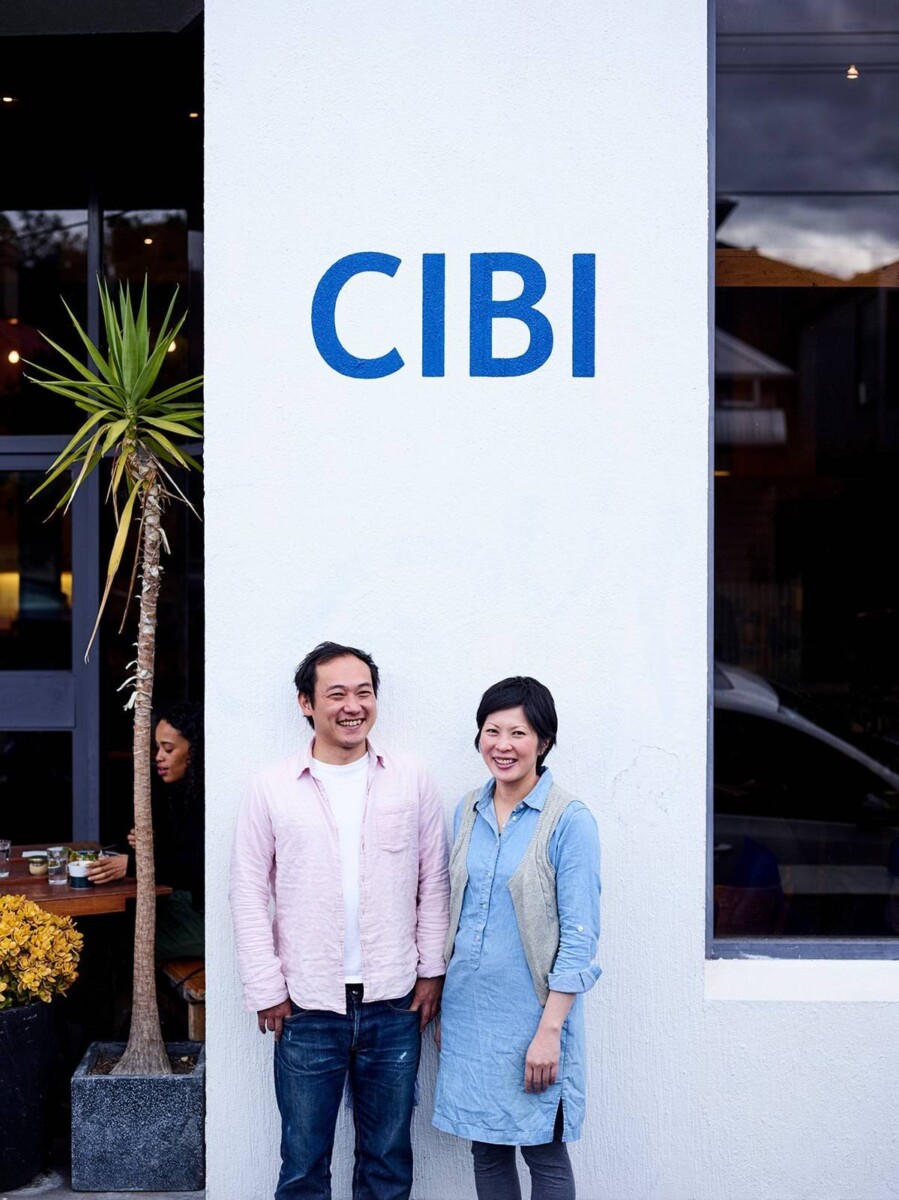
A home-cooking story, rather than a restaurant formula
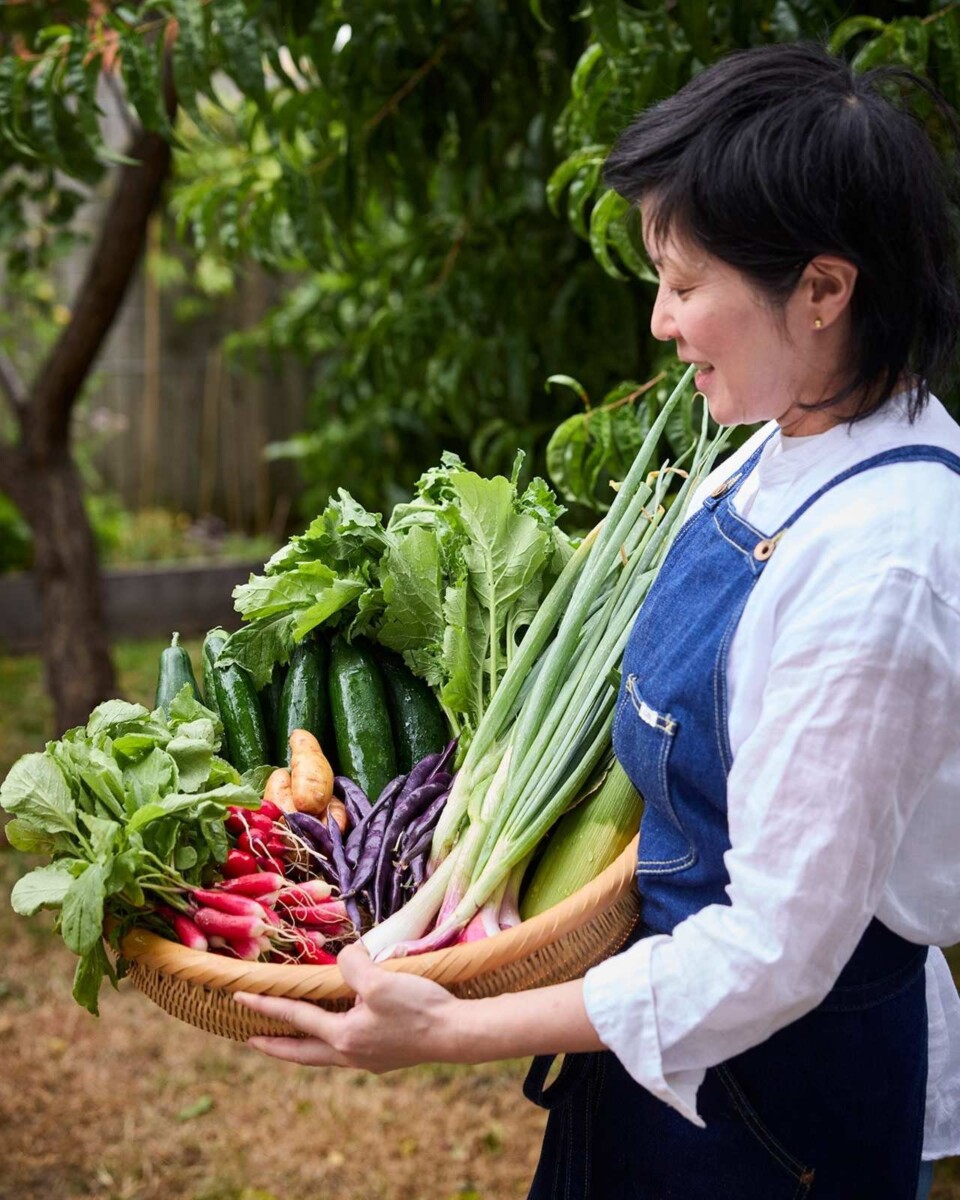
Meg describes growing up in a small Japanese town, with relatives nearby and food closely tied to the seasons. Family and friends exchanged produce, fish and seafood, while surplus ingredients were preserved for later. Vegetables, rice and the changing availability of local ingredients shaped what arrived at the table. CIBI presents its cooking as a continuation of that upbringing, adapted to life in Melbourne.
The account matters because it explains the relationship between food and design. In Meg's childhood, the bowls and dishes used for meals reflected local pottery, woodwork and metalwork. Cooking and the things used to serve it belonged to the same culture. At CIBI, a considered plate is therefore more than a backdrop for lunch. It sits within a larger story about how a meal is prepared, shared and enjoyed.
The founders describe their guiding elements as head, hands and heart. The idea extends to original products as well as selected Japanese goods: something should be useful and thoughtfully made, but also capable of prompting an emotional response. It is a practical way of connecting the different parts of a business that might otherwise seem difficult to categorise.
A Japanese breakfast without a prescribed order
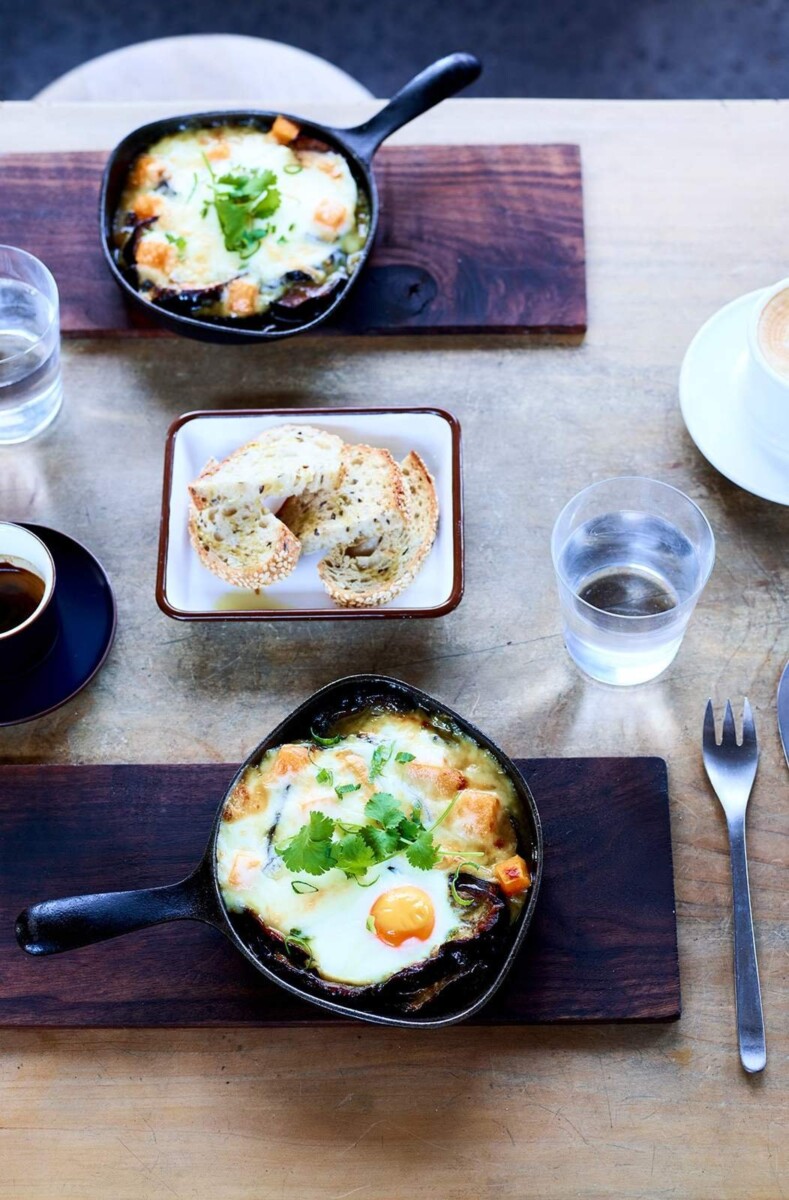
CIBI says it has served a Japanese breakfast every weekend since opening in 2008. The café describes its breakfast plates as inspired by Meg's grandmother's home cooking. Rather than making one ingredient the whole story, its explanation of a traditional breakfast emphasises several complementary dishes, with rice and miso soup providing the foundation.
Vegetables, salads, fish and tsukemono, or pickled seasonal vegetables, form part of the traditional breakfast CIBI describes. Preserved foods such as nori, umeboshi and natto are also discussed as accompaniments to rice. These are explanations of the food culture behind the meal, not a promise that every item will appear on every plate. The current café menu is the place to check a particular day's offering.
There is no required sequence for eating it. CIBI encourages diners to move between the dishes and enjoy different combinations, with Japanese tea as a companion. For someone accustomed to ordering a single large brunch dish, that offers another way to think about breakfast: a collection of flavours and textures that can be explored at one's own pace.
Design that can leave the shelf and join daily life
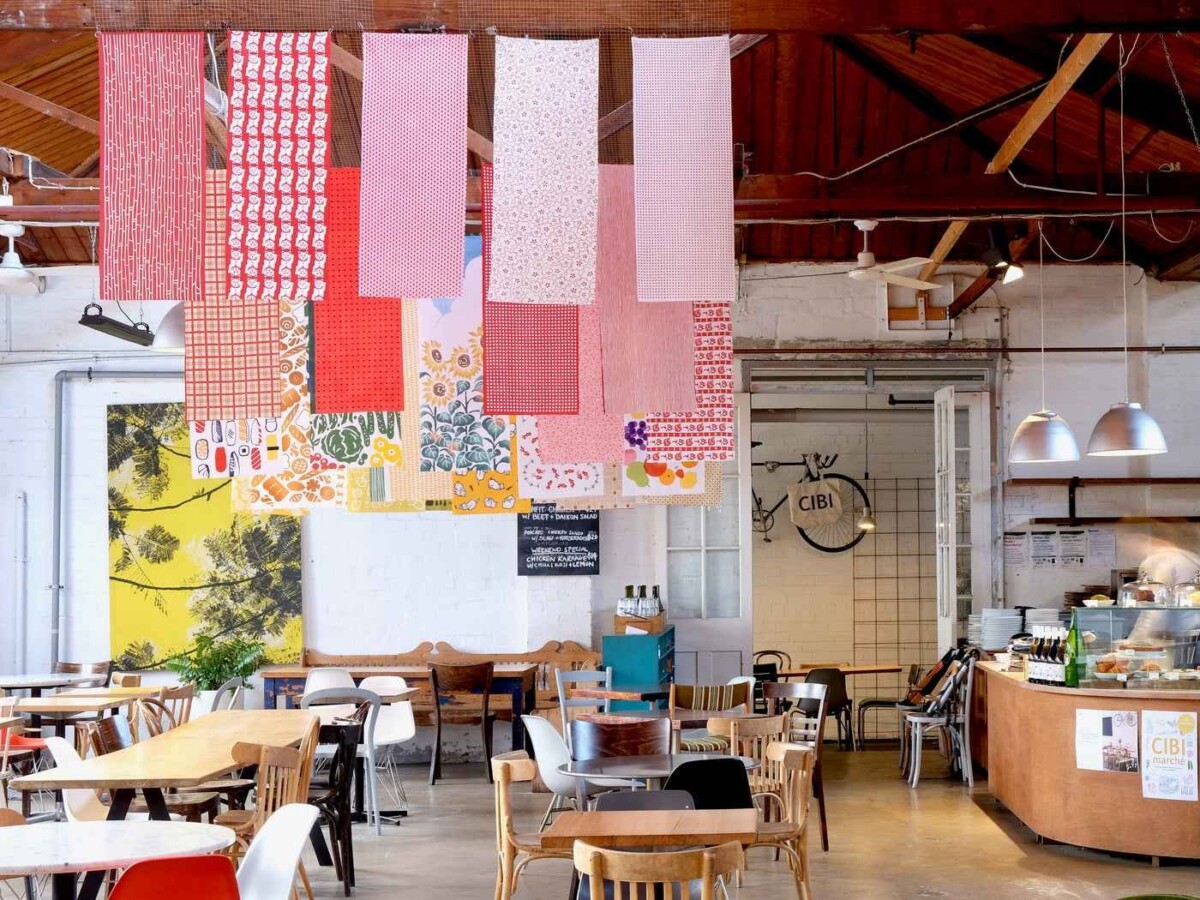
The design store gives the food philosophy a tangible counterpart. Its published selection includes Hakusan Porcelain, Shotoku glass, Noda Horo enamelware, Tendo Mokko furniture, Akari lighting and Nagatanien earthenware. Designers represented include Sori Yanagi, Isamu Noguchi and Riki Watanabe. The range moves from small tools and tableware to objects with a more substantial presence in a room.
Those names are not presented simply as a roll-call of collectables. CIBI describes looking for essential goods that attract attention, stimulate curiosity and become keepers. The useful question for a visitor is how something might fit into an existing routine: a bowl used at breakfast, a glass brought out each evening or a tool that makes a familiar kitchen task more satisfying.
Its own products follow the same approach. When the team cannot find precisely what it wants, it says it creates it, working across lifestyle goods, clothing, furniture and architecture. The stated aim is simple, functional design with warmth and a sense of intrigue. That gives shoppers permission to look beyond an object's appearance and consider what it might feel like to use over time.
A grocer for carrying the experience home
CIBI's grocer and coffee bar adds another layer to the visit. Its contact page lists seasonal produce, speciality Japanese and European pantry goods, takeaway sandwiches, pastries and muffins. The emphasis shifts from sitting down in the café to finding something for the next meal, or collecting food to take away.
The connection is especially clear in its breakfast-at-home material. Alongside the explanation of Japanese breakfast are kitchen tools, rice-cooking equipment and CIBI-made dressings and sauces. The store does not ask every customer to become an expert cook. It offers different entry points, from a prepared bite to the equipment and ingredients used to build a meal at home.
CIBI also lists catering and private dining, with its kitchen describing menus tailored to individual occasions and seasonal cues. Those are separate enquiries rather than something to assume is available for an ordinary café visit. Checking the relevant page helps distinguish a breakfast booking from planning a larger gathering.
CIBI’s website also lists a workshop calendar, a gift registry and corporate gifting. These extend the design store beyond a single browse, although individual sessions and services need their own current details checked. They fit the same broad idea: an everyday object can be something to learn about, share with another person or choose for a significant occasion.
Three parts of the address, three sets of hours
The café restaurant, design store and grocer do not all keep identical hours. CIBI lists the café daily from 8am to 4pm, with the kitchen closing at 3pm. The design store is listed daily from 8am to 6pm. The grocer and coffee bar opens earlier on weekdays, from 7am, and from 8am on weekends, closing at 6pm.
That distinction is worth keeping in mind when planning a late browse or an early coffee. A shop still being open does not mean the café kitchen is serving. For dietary questions, specific products or arrangements for a group, the business publishes a direct phone number and email, and its website includes a café booking link.
Start with the meal or start with the shelves. At CIBI, the point is that each can lead naturally to the other.
Visit CIBI
CIBI
Address: 33–39 Keele Street, Collingwood VIC 3066
Phone: 0481 398 686
Hours: Café daily 8am–4pm (kitchen to 3pm); design store daily 8am–6pm; grocer Mon–Fri 7am–6pm, Sat–Sun 8am–6pm
Website: https://cibi.com.au/
Email: info@cibi.com.au