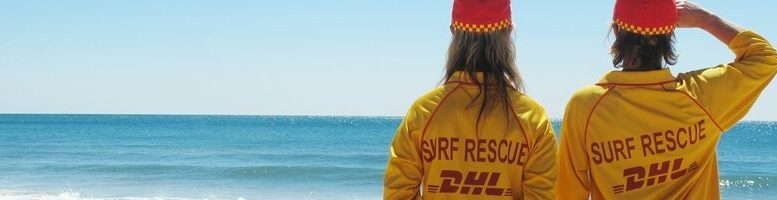
Elwood Life Saving Club, based at 19 Barring Buluk Circuit on the Elwood foreshore, began its regular volunteer patrol season on 14 November, with patrols listed through to 11 April 2027. Its work extends beyond the visible patrol on the sand: training, qualifications, Nippers, competition and the practical jobs that keep a beach program running all form part of the club's community life.
A long place in Elwood's history
The club's history reaches back to the early twentieth century and the changing rules around bathing in Port Phillip Bay. Its own account connects the founding members with the movement to allow open-sea and mixed bathing during daylight hours, rather than confining swimmers to enclosed bathing houses.
A foundation stone for the first permanent clubhouse was laid on 5 October 1918 near the beach end of Head Street. The history describes a club that quickly became part of local social life, with sporting teams and popular Sunday-night dances as well as lifesaving work.
By the mid-1920s it had nearly 500 members, according to that account. In later decades, weather and bay-condition reports were broadcast from the club through Melbourne radio. The details show how the clubhouse served as a point of connection with the water, not simply a storage place for rescue equipment.
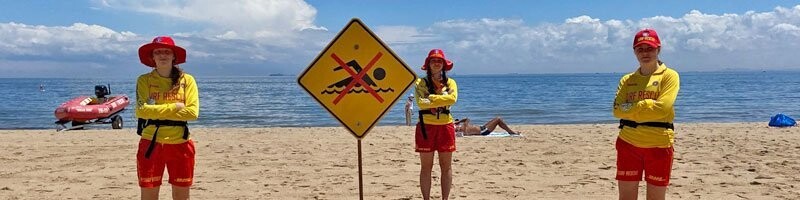
The building changed over time. The club records the demolition of an older clubhouse in the early 1970s and a move into purpose-built premises in the John R. Conabere Pavilion in 2004. Its current identity carries that long history into a very practical seasonal task: having trained volunteers ready when beachgoers arrive.
What it takes to patrol
Volunteer lifesavers are assigned to patrol teams, with the club describing roughly nine shifts per season for a typical patroller. The work includes setup and pack-up as well as the hours when the patrol is operating. Members who cannot attend a rostered shift are expected to arrange a replacement and notify their captain or vice-captain.
The route into patrol work involves qualifications. The club offers pathways through the Surf Rescue Certificate and Bronze Medallion, with age, swimming and assessment requirements. Theory includes surf awareness, resuscitation, first aid, radio use, communication and rescue techniques.
These are not one-off achievements that remove the need for further practice. Patrolling members undertake annual skills maintenance to keep their awards current. The club combines a theory component with practical assessment, making ongoing competence part of the season rather than an optional extra.
Someone interested in becoming a lifesaver can contact the club captain or training team to discuss the appropriate course. A general interest in the beach is a beginning, but it is not the same as being qualified or rostered to patrol.
Training continues beyond the first award
The club's training pages list further roles, including inflatable rescue boat crew and driver, and patrol captain. Each has its own prerequisites involving age, existing awards and experience. Some pathways require a marine licence or another current qualification.
Elwood works with Life Saving Victoria for training delivery. Its own materials emphasise volunteer trainers and assessors, with a mix of learning modes and required face-to-face hours. Prospective participants should check the current course listing and eligibility rather than assume every course runs on demand.
The same distinction applies to the club's ability to provide water safety at events. Its welcome page lists work at triathlons and other swim events. Those are organised duties performed by qualified volunteers, not a general promise that every stretch of foreshore is watched at every time.
Nippers starts with learning the beach
Nippers introduces children aged five to 13 to lifesaving through activities such as swimming, board paddling, beach sprinting and learning to recognise hazards. The club describes confidence, skills and enjoyment as central aims.
For the 2026–27 season, the dedicated Nippers page says registrations are closed. Families should not assume that a general membership form secures a program place. The current page lists Sunday sessions during November to February, with sign-in before the activities begin.
Participation has requirements beyond joining the club. Children need the relevant preliminary skills evaluation before water activities, and families must complete the registration and safety steps set out by the program. High-visibility vests are required for water activities, and parents have supervision and volunteering responsibilities.
The club requires adult members to hold a current Working with Children Check with the relevant organisations recorded. These safeguards are part of running a children's program, not paperwork to be postponed until after a first session.
Jobs for the wider membership
The club's community extends beyond patrollers and children in the water. Its Nippers information lists help with age groups, first aid, setup and pack-up, the barbecue, coffee service and merchandise. Some roles require qualifications or specific training; others are practical ways for families to contribute.
Regular fitness and swim training, social events and competition provide further connections for members. Juniors and qualified senior members can borrow boards during patrol hours under the club's conditions and with the patrol captain's permission. Equipment must be signed out and in; membership is not an unrestricted hire arrangement.
The clubhouse has showers and lockers for members. It is not available for public function hire according to the contact page, an important distinction for anyone seeing the foreshore building and imagining a venue booking.
Checking the season before heading down
The club lists volunteer patrols on weekends and public holidays between November and April, with different hours across the season. Visitors should check the current patrol schedule and beach conditions, and follow the directions of lifesavers on the day. A published season is not a guarantee of safe conditions.
Water-quality information is another part of the club's public website, directing readers to the Environment Protection Authority's beach monitoring. Checking that information is separate from knowing whether a patrol is scheduled.
For someone wanting to contribute, the next step is a conversation about membership, training or a suitable volunteer role. For beachgoers, the visible result is the patrol; behind it is a club of people preparing, practising and turning up for one another and for Elwood.
Visit Elwood Life Saving Club
Address: 19 Barring Buluk Circuit, Elwood VIC 3184
Phone: No general clubhouse phone published on the contact page; membership enquiries via secretary details on website
Hours: Patrols on weekends and public holidays during the November–April season; check their website for current patrol times and conditions. Not a general venue-hire service.
Website: https://elwoodlsc.com.au/
Email: info@elwoodlsc.com.au
Patrol enquiries: clubcaptain@elwoodlsc.com.au
Facebook: https://www.facebook.com/groups/elwoodlsc (members' group linked by club)