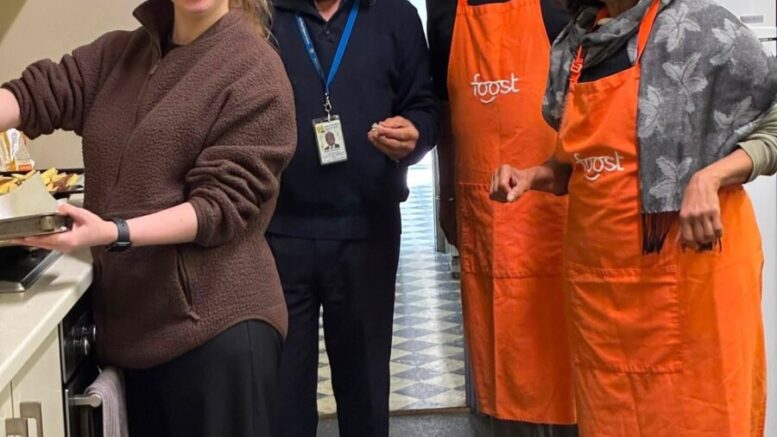
Warrigal Road in Hughesdale has a community address whose name reaches beyond its postcode. Fusion Oakleigh Youth + Community Centre at 185 Warrigal Road serves Oakleigh, Hughesdale and surrounding areas through educational, recreational and social activities. Children, families, young people and young adults are a particular focus, but the published offer makes room for several generations.
The centre belongs to Fusion South East Melbourne, part of the Australian-born Christian youth and community development organisation Fusion Australia. Its local story began with young people in the early 1970s and grew into a wider neighbourhood-house role. The thread through that history is the idea that a young person’s life is connected to the family and community around them.
A drop-in that grew into something broader
Fusion’s regional history begins with a group of young adults responding to the needs of local young people. An early drop-in centre in Bentleigh gave the team a place to meet them, and by the mid-1970s it was operating a community centre. Several locations followed, including Murrumbeena, Oakleigh and Huntingdale, before the current Hughesdale premises.
In the early 1980s, the organisation’s account describes a deliberate widening of focus. Working with young people alone was not enough when they returned to families and neighbourhoods that were also part of their lives. Community work became a larger part of the response, alongside youth work rather than in place of it.
Over the years, the centre’s activities have included a food co-operative, a community newspaper, community meals, art programs and children’s activities. Those examples show a practical kind of community development: making things, sharing information, organising food and giving people a reason to spend time together. The centre also describes support through the Neighbourhood House Coordination Program.
A place to learn and make
Conversational English, craft groups and art classes appear in the centre’s published program. They bring different interests into the same community setting. One person may be looking for a chance to practise language, while another is drawn by the process of making something or taking part in a shared activity.
The organisation’s volunteer information gives those categories a more concrete shape, naming conversational English, knitting and gardening as examples of community-program help. They are activities with a task in front of the participants, offering a way to join in without requiring a long introduction to everyone in the room.
That is one of the strengths of a neighbourhood-house format. A resident can approach it through an interest rather than a broad instruction to “get involved”. The first question can be about a class, a group or a particular activity. From there, the centre’s staff can explain the current term program and how to participate.
Families and young people in the same picture
The centre lists playgroups, a Greek playgroup and school-holiday programs among its children’s activities. They sit alongside adult groups rather than being presented as the whole purpose of the building. The range reflects Fusion’s longer shift towards seeing young people within the life of their families and community.
Community meals appear in the published offer too, adding another kind of shared activity. A meal has a different rhythm from a class, and can bring people together around something familiar. The centre’s program categories leave room for both structured learning and more social forms of participation.
Youth work remains an important part of the wider organisation. Its published areas include schools work, peer leadership and day trips, while young adults and international students also appear in the centre’s program description. The range connects the Warrigal Road address to a broader regional youth-and-community organisation, with different activities suited to different ages and interests.
For a parent or young adult enquiring for the first time, the centre’s contact details provide a straightforward starting point. A conversation can establish the activity, age group, registration arrangements and current availability. There is no need to understand the whole Fusion network before asking about one local program.
The people who help a centre run
Volunteers are part of Fusion’s account of how its work happens. The published roles range from community-program assistance to administration, fundraising and youth teams. That variety is a reminder that a centre depends on more than the people leading the most visible activity.
A receptionist answering an enquiry, someone helping with registrations or a volunteer bringing an interest in gardening can each contribute a different skill. The organisation also invites enquiries from people with media, public-relations and related experience. The useful question is where an individual’s interest and availability meet the centre’s work.
For youth-work roles, Fusion’s published volunteer information specifies a Working With Children Check and youth-work training. The pathway is therefore a discussion with the organisation about the role and its requirements, rather than an assumption that anyone can simply arrive and begin working with children. Community participation and responsible organisation sit alongside each other.
The centre’s identity is not built around a single charismatic name or one activity. It emerges from the combination of workers, volunteers and participants who keep the programs operating. That fits a history in which the work has continued through several buildings and changing local needs.
Finding the right door on Warrigal Road
The centre’s published office hours are 10am–3pm Monday to Friday, with many programs operating outside that window. Office opening and activity time are therefore different things. The current term program, eligibility and registration details can be obtained directly from the Hughesdale centre by phone, email or its website enquiry form.
Fusion’s wider regional work also includes youth housing and support, with a separate service and contact pathway. The community centre is the Warrigal Road point for its neighbourhood activities; accommodation enquiries belong with the relevant Fusion housing team. The organisation’s history places its purpose-built regional housing facility in Moorabbin, a different part of the network.
That housing strand grew from the same early contact with young people. Fusion’s history describes team members initially opening their own homes when they met young people without somewhere to go. Government-supported community housing placements followed in 1981 and a funded refuge in 1985. It is another example of the organisation’s work developing in response to what its local teams encountered, rather than beginning as a fixed list of services.
For Hughesdale residents, the local invitation is both simple and open-ended. There may be a class to ask about, a group to join or a skill to contribute. Behind the Oakleigh name is a Hughesdale address with decades of regional community work behind it, and several practical ways for a first enquiry to become participation.
Visit Fusion Oakleigh Youth + Community Centre
Address: 185 Warrigal Road, Hughesdale VIC 3166
Phone: (03) 9579 3955
Office hours: Monday–Friday 10am–3pm; program times vary
Website: melbourne.fusion.org.au
Email: oakleigh.centre@fusion.org.au
Facebook: https://www.facebook.com/FusionSEMelb/
Good to know: Contact the centre for current term activities, eligibility and registration. Youth housing is a separate Fusion service with its own contact pathway.