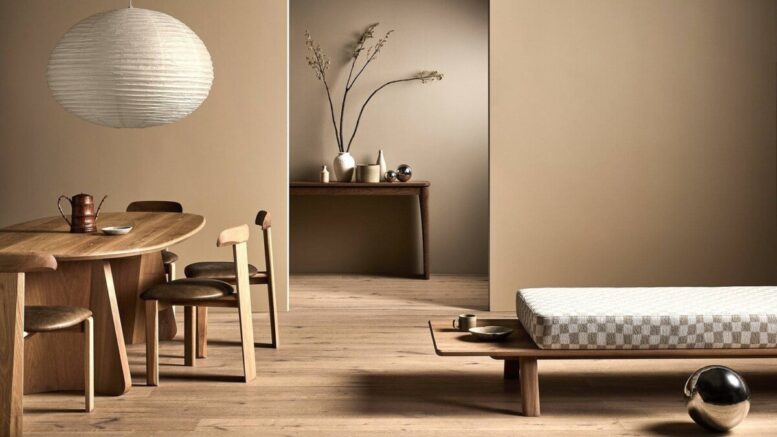
At 44–46 Hargreaves Street in Huntingdale, Tide Design connects a furniture showroom with the workshop story behind it. The business says its entire range is designed and made in Huntingdale, giving local visitors a direct link to the people and processes behind a dining table, chair or daybed. Its founder, George Harper, began with a career change and a backyard shed. Today, the appeal is more considered than an impulse furnishing purchase: timber furniture made to order, with a conversation about dimensions, materials and the room it will eventually belong in.
From office work to a backyard shed
Tide’s own history begins in January 2007, when George was leaving an office career to study furniture design and making at Box Hill Institute. Evenings and weekends were spent in a small shed developing ideas and making chopping boards for local markets. The company grew from that work, with the aim of creating and selling handmade furniture rather than simply assembling a retail collection from elsewhere.
George is New Zealand-born and has been based in Melbourne since 1999, according to the business’s biography. He remains primarily responsible for the design of Tide pieces, even as the operation has grown beyond a single maker. The continuity is important: the catalogue is presented as an evolving design practice, not a series of unrelated seasonal looks.
The own-site team profiles describe makers who arrived through apprenticeships, furniture-design study and other creative work. They include James, who joined as an apprentice in 2012, and Sam, whose RMIT furniture-design degree preceded his move into solid-timber making. James developed his skills within the business, while Sam was drawn to solid timber for its tactile character and variation. Their profiles put the emphasis on making and problem-solving, the work behind the clean lines of the finished collection.
Furniture for the way a room is used
Tide’s catalogue covers dining tables, occasional tables, seating, office pieces, bedroom furniture, storage, lighting and homewares. The range allows a visitor to begin with a practical need rather than an entire-room scheme. A dining table has to fit both the space and the people around it; a hall table may need to work within a narrow passage; a chair must make sense beside the table it accompanies.
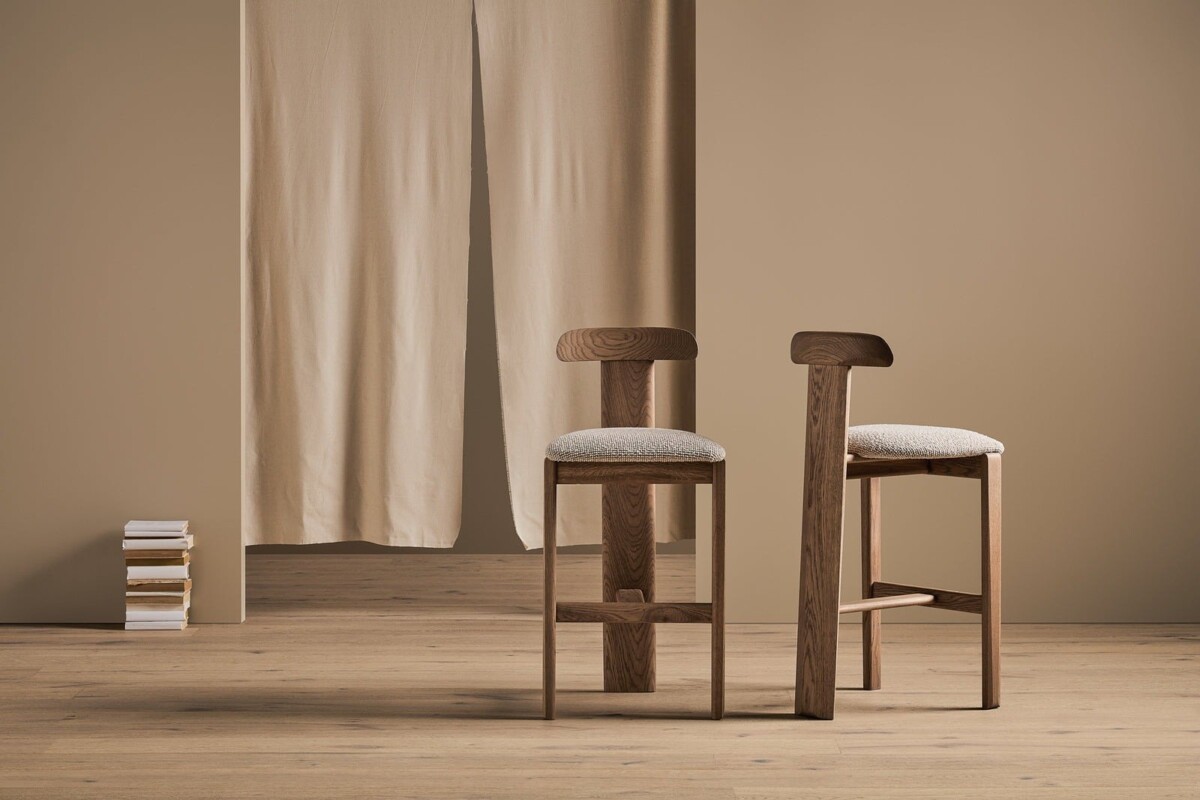
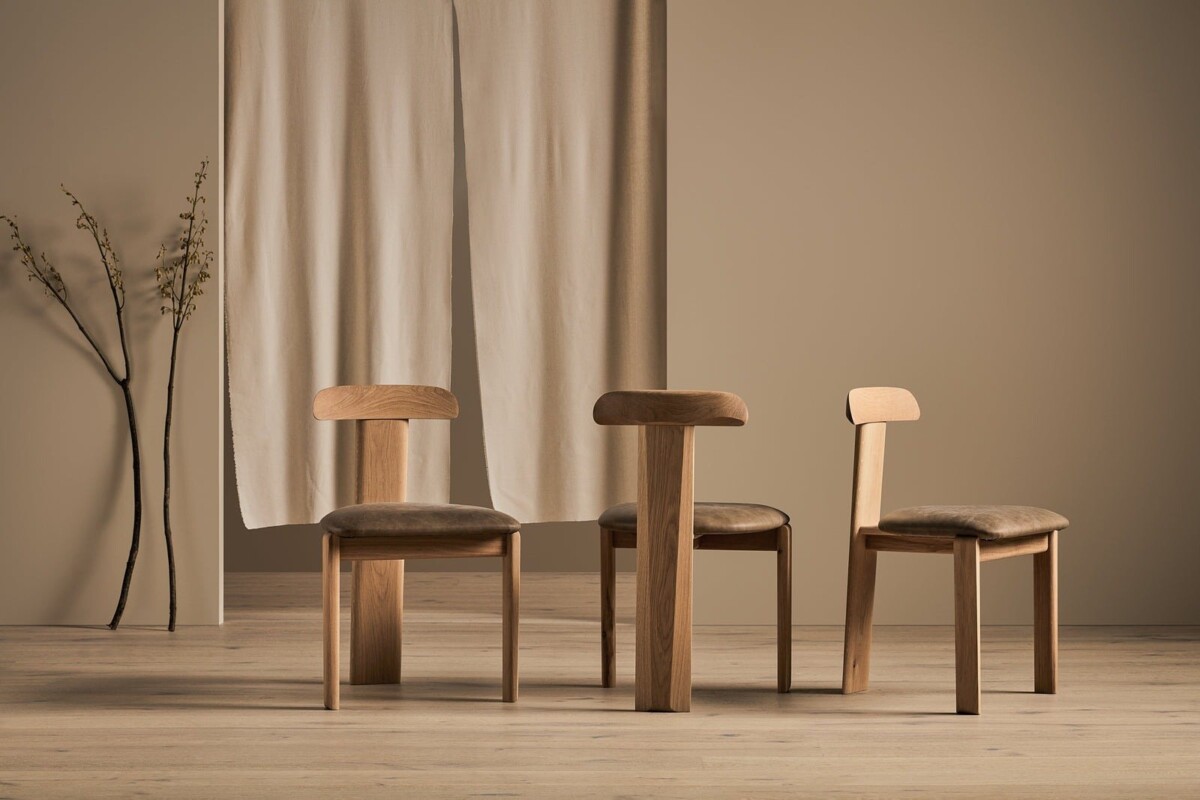
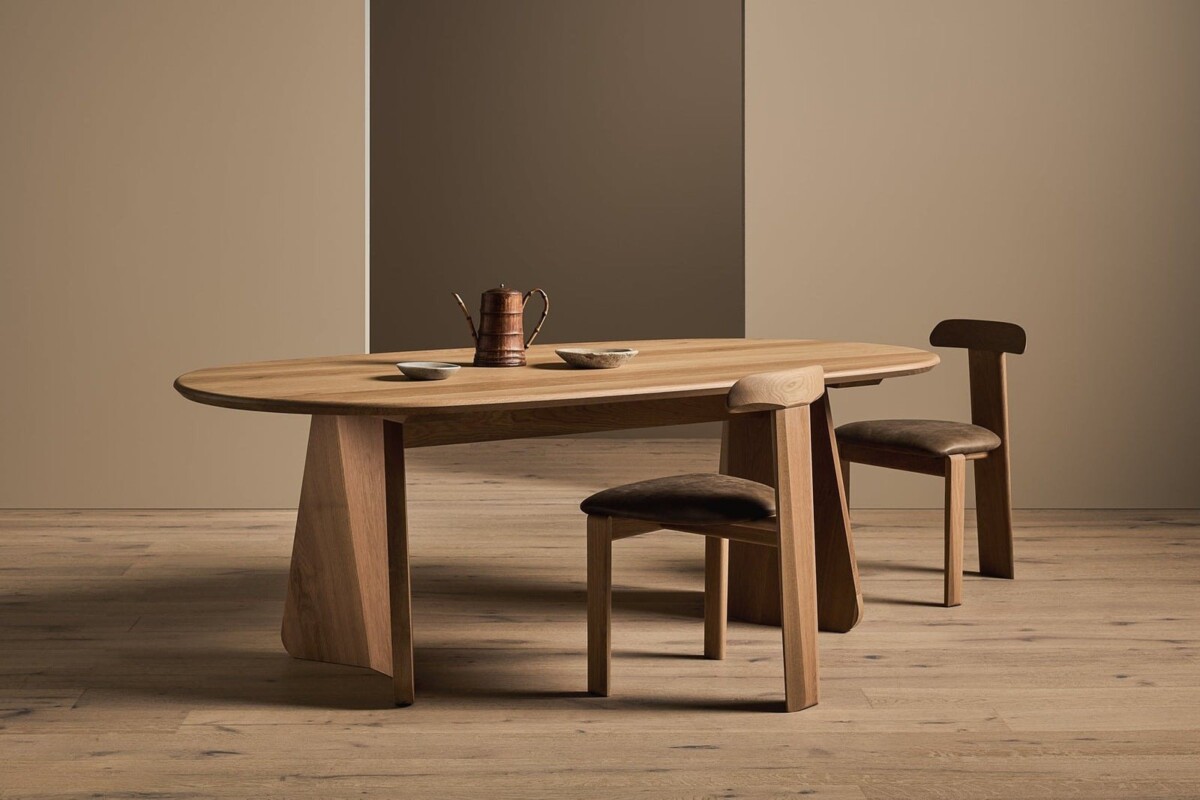
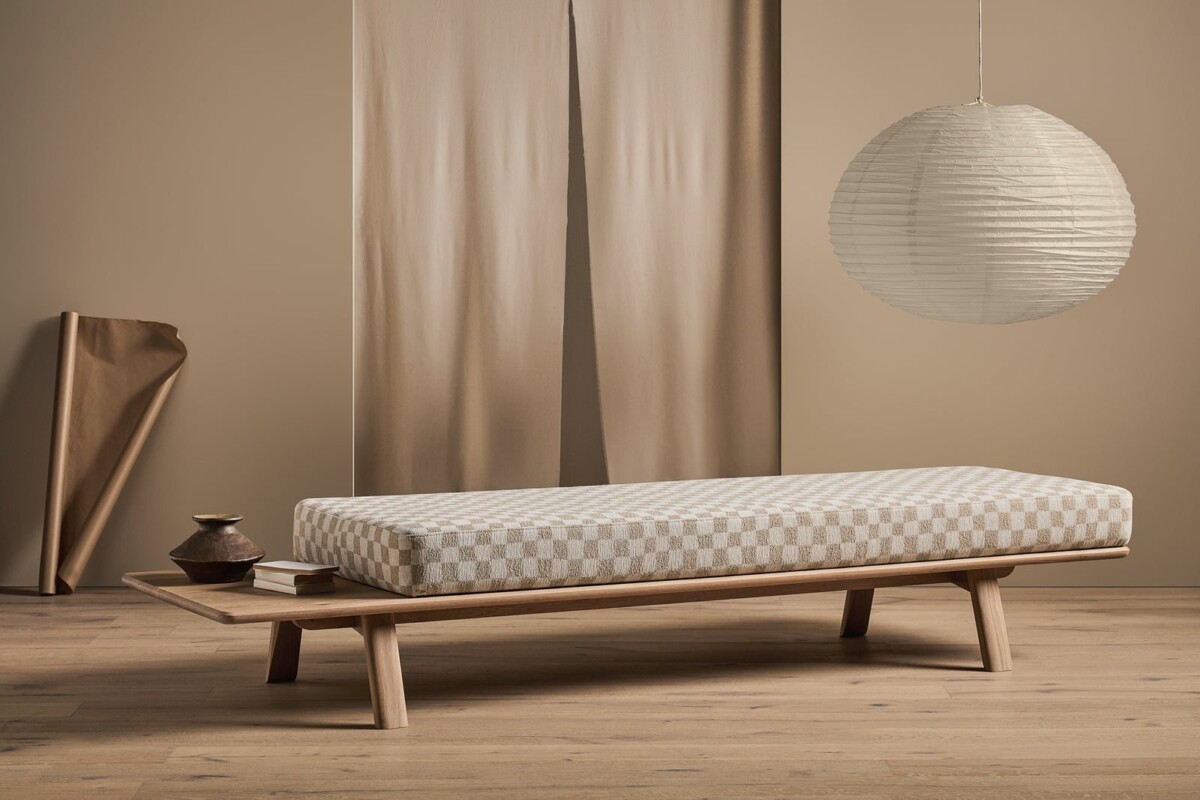
Among the latest pieces featured on the website are the Koku Bar Stool, Koku Dining Chair, Tate Dining Table, Waka Daybed and Yorke Hall Table. The photographs show a restrained collection in which timber, curved edges and the relationship between solid and upholstered surfaces do much of the visual work. The Koku family brings related forms to a dining chair and a taller stool, while the upholstered Waka Daybed stretches the timber language into a place to recline. A shared design sensibility links pieces made for different parts of the home.
Seeing furniture in person remains useful for exactly that reason. A stool’s proportions, the feel of a chair back or the way a tabletop edge sits against a hand are difficult to judge from a screen. Tide’s Huntingdale showroom offers the opportunity to discuss those questions locally. Its showroom page says the entire range is available direct, while selected pieces are also represented by retail partners in Western Australia and Queensland.
Timber, finish and the importance of a sample
Four standard timber species form the core material selection: Tasmanian oak, American oak, American walnut and blackwood. Those choices bring different grain and colour characteristics, so the question is not simply whether a customer prefers a light or dark finish. A particular timber can change the character of a familiar design, while its placement beside floors, walls and other furniture will influence how the finished piece feels in a room.
Tide also publishes oil-finish options and selections of upholstery fabrics and leathers. It cautions that photography and screens can alter the appearance of colours, and offers timber samples or fabric cuttings to help with decisions. That is practical advice worth following. A material seen in a showroom or under one set of lights may look different in the room where it will spend its working life.
The company says it sources timber from sustainably managed forests and designs for longevity. Its FAQ identifies the origins of the standard species: Tasmanian oak and blackwood from Tasmania, with American oak and walnut from the United States. The company’s emphasis is on furniture designed for a long working life, alongside finishes and maintenance advice that support continued use.
Made to order, with the room in mind
Because Tide furniture is made to order, the business says many pieces can be adapted in size, configuration, material or finish. That can be valuable when a standard piece is close to right but the room has an awkward dimension or a household has a particular way of using it. The starting point is a clear description of the need, rather than an assumption that every catalogue design can be changed without limits.
A separate custom-design process is offered for projects beyond the existing range. Tide describes an initial enquiry and brief, followed by concept and design stages before production. The process starts with preliminary specifications, then moves towards a sketch and a more resolved design. It brings the functional brief into the workshop conversation early: what the piece needs to do, where it will sit and how its proportions should work.
Tide’s tables are fixed rather than extendable. The maker explains that its solid-timber approach and natural seasonal movement can create difficulties for an extension mechanism. Such a detail is worth knowing early. A fixed table may suit one household perfectly and not another, and a productive showroom conversation starts with how the furniture needs to function, not just how it looks.
Looking after something made to stay
Tide’s care guidance treats furniture as something to live with and maintain. It recommends gentle cleaning, prompt attention to spills and care around direct sunlight, heat and objects that might scratch a surface. Hardwax-oil finishes can require maintenance, and the company provides instructions and invites enquiries about damage or refinishing. None of that makes timber indestructible; it recognises that a useful piece will encounter daily life.
That approach gives substance to the business’s emphasis on enduring appeal. A table is not only a showroom object. It will hold homework, shared meals and the things temporarily left beside the door. Understanding the finish and care requirements before ordering helps a household decide whether the piece fits its habits, while advice from the maker can be more useful than a generic cleaning product chosen later.
Production timing needs the same care. Tide works to indicative lead times that vary by piece and through the year, with furniture moving through design decisions and production before delivery. Melbourne deliveries are handled by Tide, while regional Victorian and interstate deliveries go through transport partners. The process connects the showroom conversation with the finished piece arriving at home.
Visit Tide Design
The Huntingdale showroom’s published hours are Monday to Friday, 10am to 4pm, with Saturday visits by appointment and Sunday closed. The website offers an appointment option and lists a telephone number and sales email for enquiries. The showroom brings the catalogue into one local setting, so materials, proportions and the relationship between pieces can be considered together.
A useful visit might begin with room measurements, the intended number of seats and a sense of the materials already at home. From there, the conversation can move from a screen image to something more specific: the right scale, a timber sample and a piece with a purpose. In Hargreaves Street, the furniture story has a local workshop behind it.
Visit Tide Design
Address: 44–46 Hargreaves Street, Huntingdale VIC 3166
Phone: (03) 9543 7651
Hours: Monday–Friday 10am–4pm; Saturday by appointment; Sunday closed. Confirm public holiday hours.
Website: https://tidedesign.com.au/
Email: sales@tidedesign.com.au
Instagram: https://www.instagram.com/tide_design/
Facebook: https://www.facebook.com/tidedesigned/
Good to know: Made-to-order furniture; discuss current lead times, custom options, materials, samples and delivery before ordering.