At 5 Fleet Street in Mount Waverley, Waverley Community Learning Centre gives a neighbourhood a place to make things, learn something useful and get to know the people around it. Pottery, English classes, children's art and help with a smartphone all belong under the same roof. The centre is a neighbourhood house, with a history reaching back to 1973 and a programme that stretches well beyond the conventional classroom.
A person can arrive with a very specific purpose — learning to use a sewing machine, finding a walking group or helping a child explore robotics — and find a much wider community of activities. That breadth is central to the place. The centre's stated vision, “Community growth through personal growth”, links the satisfaction of learning a skill with the simple pleasure of doing it alongside someone else.
A local idea that began in 1973
The centre began in 1973 with a small group of people responding to the social changes of the time. Its history places that beginning within the neighbourhood house movement of the 1970s, when local meeting places offered opportunities for new knowledge and social connection. More than five decades later, the Fleet Street centre continues to combine learning with a place for people to gather.
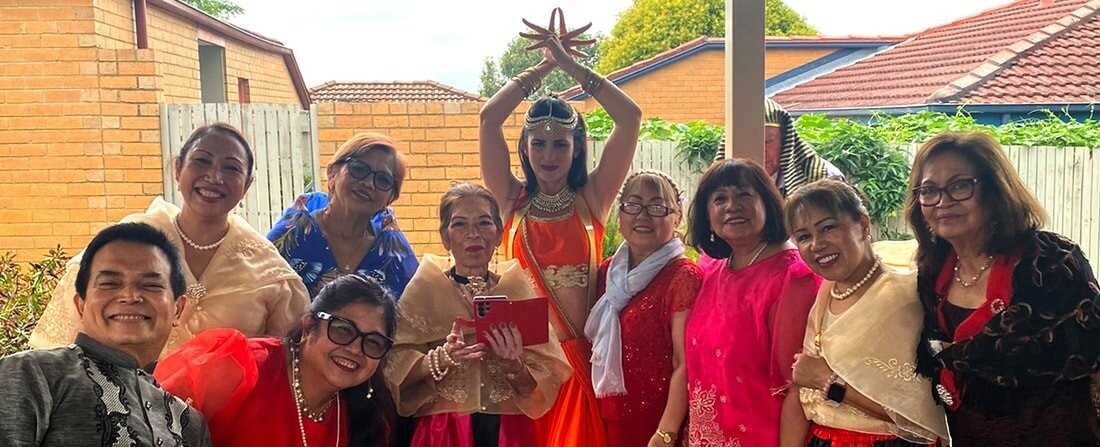
Local involvement is built into its administration. A Committee of Governance made up of local residents oversees the centre, whose purpose includes responding to community needs and giving people opportunities to share knowledge, skills and experience. Its values include diversity, respect and inclusion, an outlook reflected in the range of ages and interests served by the programme.
That history gives the current timetable a particular context. A pottery class or a conversation group is not a separate little business operating in isolation; it belongs to a neighbourhood house with an educational, social and recreational role. The meeting rooms, classes and group activities are different expressions of the same local idea: making somewhere for people to come together close to home.
Clay, colour and a project of one's own
Arts and crafts occupy a substantial part of the adult programme. Calligraphy introduces the art of beautiful handwriting, while crochet covers stitches and reading patterns. Sewing classes give participants a chance to learn skills for garments and other items, with students bringing their own sewing machine. These are practical, hands-on activities with something tangible to work towards over a series of sessions.
Pottery has a dedicated place in the programme, with adult classes covering both hand-building and wheelwork in a fully equipped studio. Sessions are listed across daytime and evening slots, opening different possibilities for people fitting a class around work or other commitments. A new potter can explore forming an object by hand, while the wheel offers a different set of movements and techniques to learn.
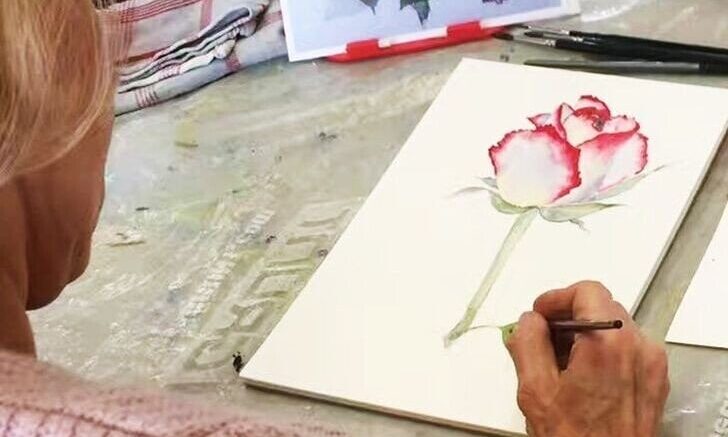
Mixed media art introduces skills and concepts across different ways of making an image. Watercolours and pastels takes another approach: participants work on their own projects in an untutored social session. That distinction gives people a choice between learning through instruction and setting aside time to continue a project with company. There is room in the programme for both the beginner looking for a starting point and the person who already enjoys making art.
Finding words, and finding a way around a phone
The English programme spans several levels. Beginners with little or no English have an entry point, while subsequent classes work on conversation, reading, writing, vocabulary and pronunciation. At another level, speaking, listening, literacy and fluency become the focus. A book club also provides a setting to practise conversational English, bringing reading and discussion into the same activity.
For people drawn to books and writing, the adult programme includes literature studies and creative writing. Literature studies takes in poetry, plays, novels and other works with an experienced tutor. Creative writing uses exercises and group discussion, giving participants both time to develop their own work and an opportunity to hear other voices. Intermediate French adds another language option.
Digital learning is equally grounded in ordinary life. Tech for the Terrified is designed for beginners using smartphones and computers, with the option of bringing a device or borrowing one from the centre. One-to-one smartphone sessions offer a more individual format. The programme also includes workshops on scam awareness, artificial intelligence, Canva and managing a digital legacy: subjects that connect new technology with the practical questions people encounter at home.
The digital legacy topic is especially recognisable for anyone with years of photographs, emails or family-history research stored online. It sits comfortably alongside the other digital sessions because the underlying purpose is similar: making an unfamiliar task something that can be discussed and learnt. Workshop dates and topics change through the programme, while the office helps people find the appropriate session.
After-school ideas for young makers
Children have their own set of creative and technical activities. Art classes are grouped for ages six to eight and eight to twelve, introducing painting and drawing techniques with materials included. The age groupings let families find a starting point suited to their child, rather than treating every young artist as part of the same class.
Lego: Future Engineers, for ages six to eight, uses models and plans designed by engineers and architects with Lego Technics. Advanced Robotics, for ages eight to twelve, introduces robotics and programming with Lego Mindstorms EV3. The two strands give familiar building pieces different purposes, from following a design to exploring how a programmed model works.
Pottery for children covers hand-building for ages eight to seventeen, with clay, glazes and firing included in the programme description. Mini Chef, for ages eight to twelve, gives children hands-on experience preparing food from scratch, with seasonal produce and cultural flavours among the subjects explored. For families, the selection offers several ways for a child to try making something, whether the interest is in a sketchbook, a model, a clay project or the kitchen.
More than a class on the calendar
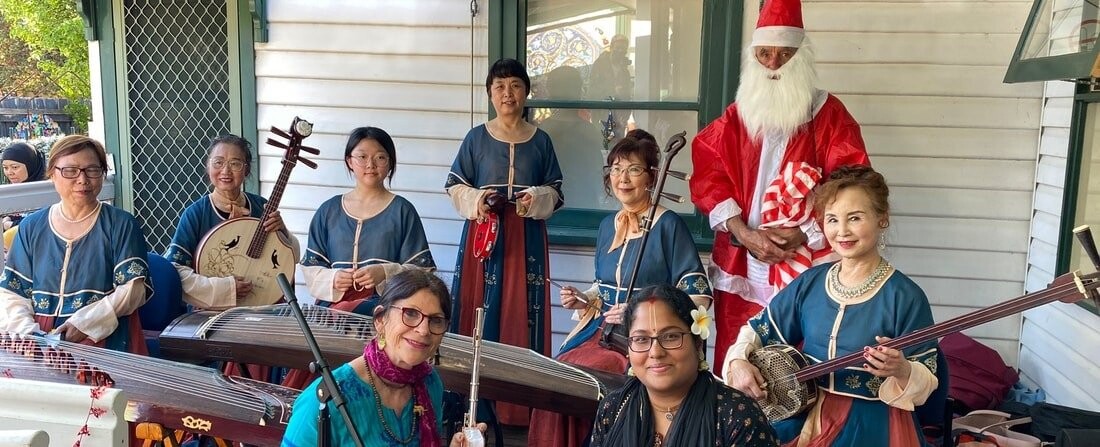
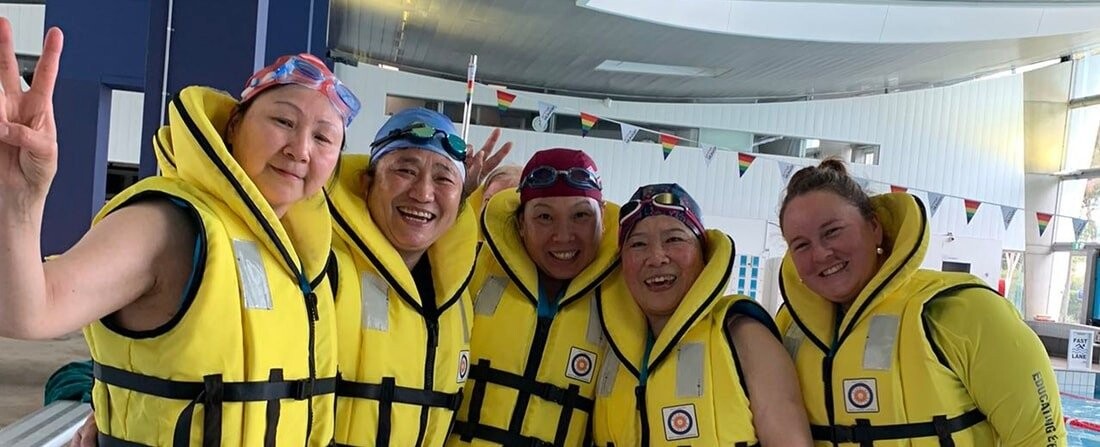
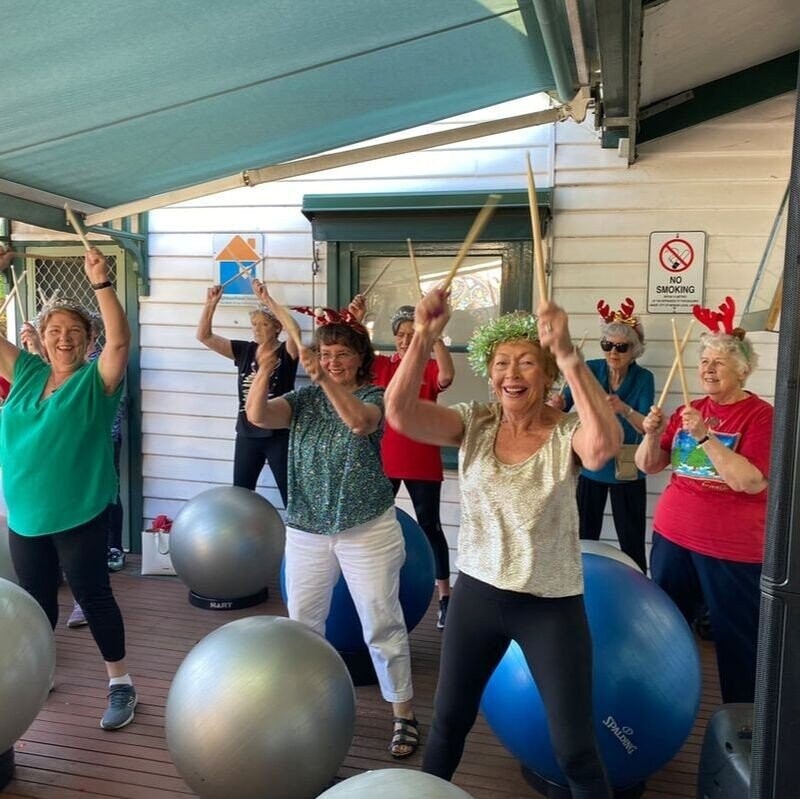
There are other ways to join in without taking up a new craft. The centre lists a walking group that meets for an hour's walk, conversation and a cuppa afterwards, along with a Chinese seniors social group and solo card games. Pilates, strength training, yoga, chair yoga, stretching and tai chi provide further group activities. Their place alongside art and technology is part of the neighbourhood house's broad character.
Meeting rooms extend that role to other community groups. Some overlook the garden, while an art room and multipurpose space offer different settings for workshops and meetings. The centre's accessibility features include a powered rear entrance, wheelchair-accessible toilets, flat surfaces and wide corridors. Disability parking is available nearby on Fleet Street and in the rear car park, and assistance animals are welcome.
The office opens Monday to Friday from 9am to 3pm and helps with course enquiries and enrolment, including a separate process for English classes. A call or a visit can turn a long list of possibilities into a manageable first choice. At Fleet Street, that choice might be clay, conversation or a confidently used phone. The shared starting point is a local place to learn.
Visit Waverley Community Learning Centre
Visit Waverley Community Learning Centre
Address: 5 Fleet Street, Mount Waverley VIC 3149
Phone: (03) 9807 6011
Hours: Office Monday–Friday 9am–3pm; classes and activities follow the programme.
Website: https://www.wclc.org.au/
Email: info@wclc.org.au
Instagram: https://www.instagram.com/waverleyclc/
Facebook: https://www.facebook.com/waverleyclc/
Good to know: Office assistance with enrolment; wheelchair-accessible powered rear entrance and toilets; disability parking on Fleet Street and at the rear; assistance animals welcome.