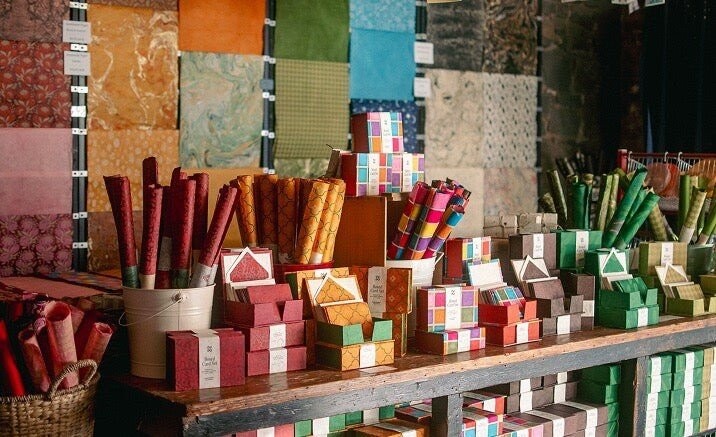
On Brunswick Street, Zetta Florence at 197B Brunswick Street, Fitzroy gives paper, keepsakes and the objects used to store them a substantial place in the local shopping strip. Journals and wax seals may be the immediate attraction, but the business's story begins with something less decorative: helping preserve memories and the material traces of Australia's past.
Its own timeline dates the business to 1989 and describes work with museums, galleries and libraries on archival products. That history remains visible in a range that now extends through stationery, storage, homewares and textiles. A notebook for everyday thoughts and a carefully chosen box for family papers can be different expressions of the same interest in what people decide to keep.
From Gertrude Street to a restored Brunswick Street home
Zetta Florence's first shop opened on Gertrude Street in 1992. Its timeline identifies founder Georgina Knightley and records a move to Brunswick Street in 2001, when the business restored a long-abandoned hotel and stables. The current address is therefore part of a longer Fitzroy story, not simply a recent addition to the shopping strip.
The company later opened stores in Armadale and Chadstone, before choosing in 2015 to concentrate its energy back on Brunswick Street. That decision gives the Fitzroy store a particular role within its history: the place around which the business regrouped rather than one interchangeable address among many.
Its account describes another generational change in 2024, when the founders passed the business to their daughter. The timeline does not clearly identify the daughter by name in that entry, so the story need not fill in that detail. What is clear is the continuation of a family business whose interest in memories also applies to its own next chapter.
An archival beginning with a practical purpose
The company's timeline says it developed its 500 Year Archival Range with the National Archives of Australia in 1991. That is a specific historical claim made by the business, and it helps explain why storage and preservation sit beside more playful paper goods. The original problem was how to keep material safe, not merely how to make its container attractive.
For a household, that concern may involve letters, photographs, recipes or a small collection of documents. The right storage choice depends on the material and its intended use, so specialist archival questions should be discussed with the business rather than resolved by choosing the nicest-looking box. A decorative product and a preservation product are not automatically interchangeable.
That distinction is part of the shop's interest. It can appeal to someone choosing a gift and someone dealing thoughtfully with family material without requiring both to have the same goal. A visitor may arrive for a journal and become interested in storage, or begin with a practical archive question and discover a more personal paper project.
Paper goods that connect to a place
Zetta Florence's history includes a 2002 collaboration with Melbourne photographer Mark Strizic on paper goods celebrating his cityscapes. The example shows how an archive or an image can move into an everyday object, giving it a relationship to a place rather than making it purely ornamental.
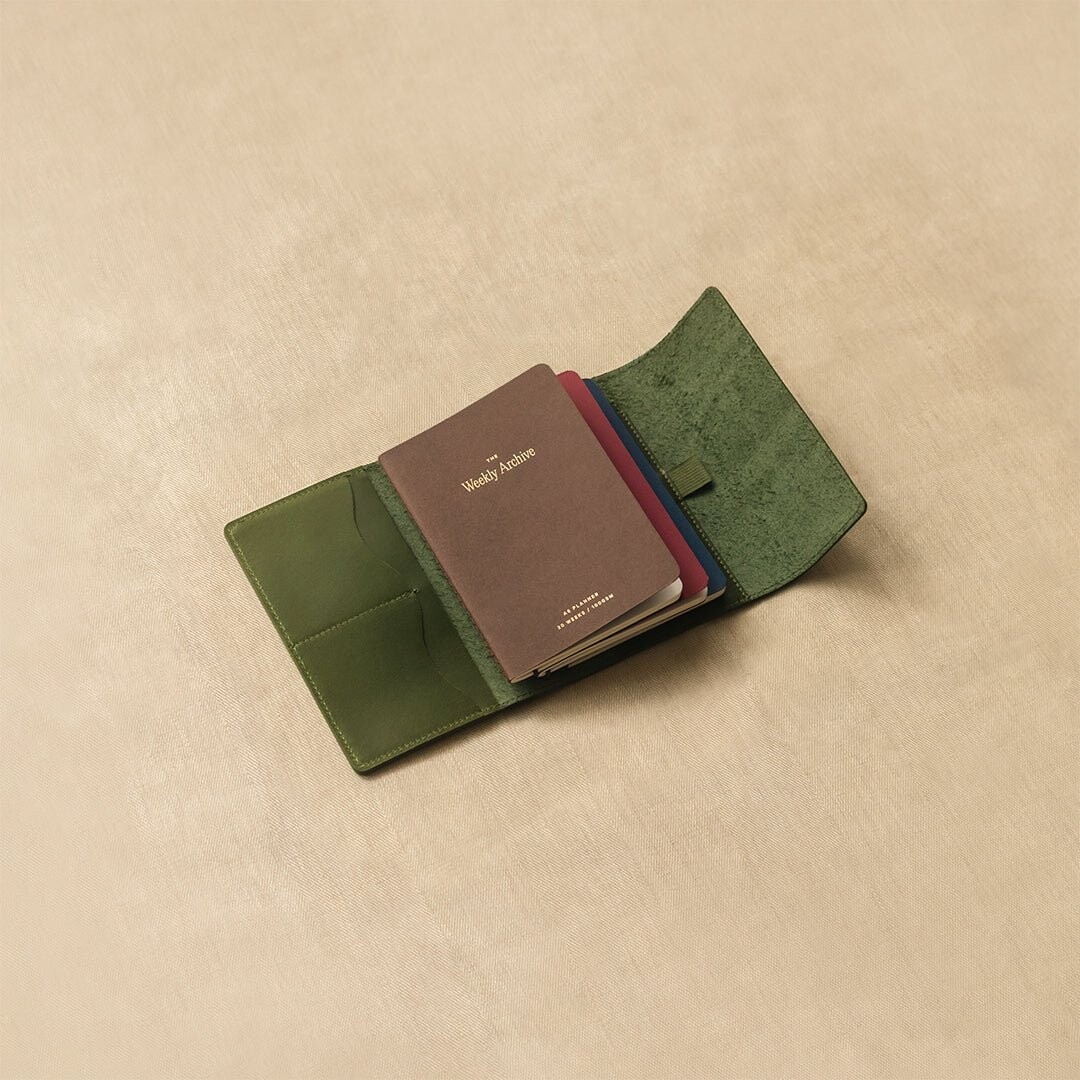
The broader published collection spans journals and notepads, wax-seal kits, pens, calendars, diaries, tote bags and postcards. Each suggests a different use for paper: recording a thought, organising a year, sending a message or making a parcel feel considered. The range is broad enough to begin with the intended task rather than needing to know a particular product name.
For someone choosing a journal, scale and format can be as important as the cover. A portable notebook and a larger volume kept at home serve different routines. The store offers a setting to compare those possibilities, while its current product information should be used for specific details such as paper type, dimensions and binding.
Keepsakes can matter at every scale
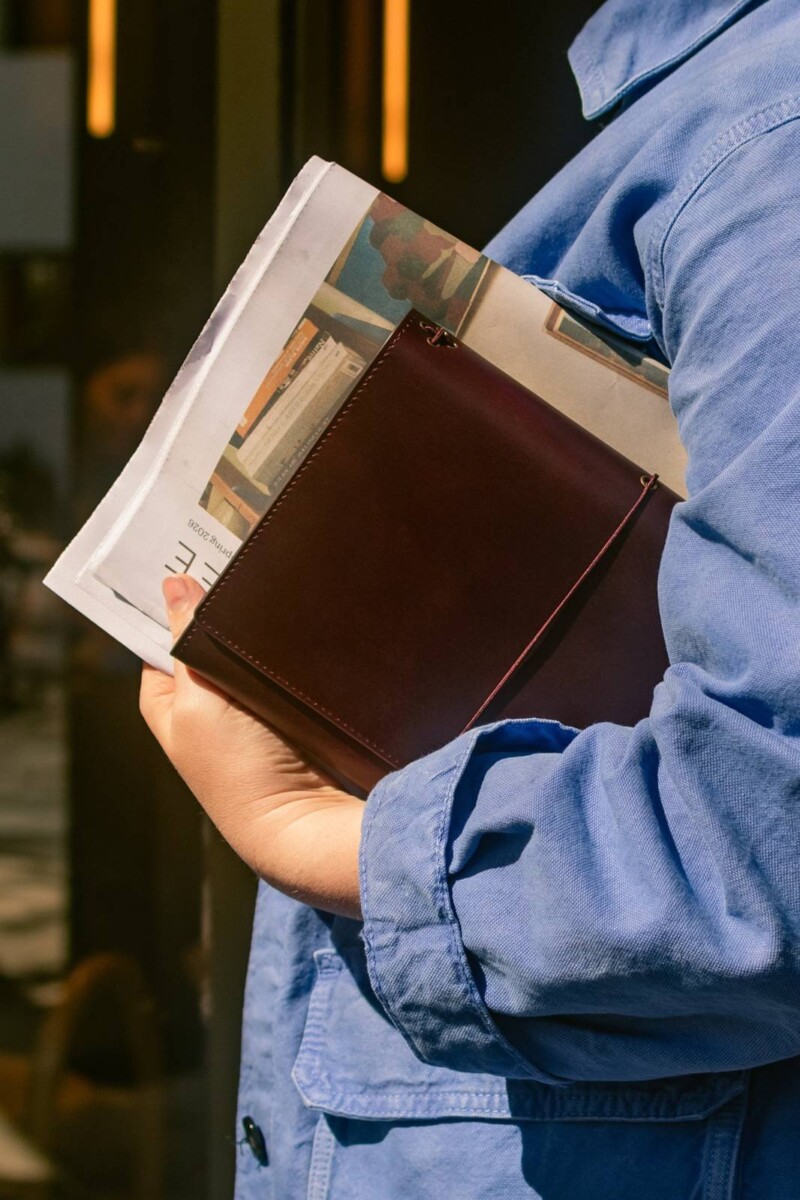
The business's timeline records work with Nelson Mandela's team in 2012, preparing keepsakes and memorabilia in solander boxes. It also describes a 2019 project with Parliament involving a portfolio of photographs, letters and documents for the Queen. Those are the company's accounts of particular projects, not a claim that an ordinary retail purchase comes with the same archival specification.
Their relevance to a local visit is the attention given to presentation and preservation. A family photograph does not have to be historically famous to deserve a suitable home. The same broad care can be applied at a personal scale, provided the product selected is appropriate for the material being kept.
The website also places creativity among the business's stated values, alongside memory, culture and authenticity. That keeps the shop from becoming only a place for solemn preservation. Making something new, writing a note or assembling a gift can sit comfortably beside the work of looking after what already exists.
A creative store that continues to change
Zetta Florence's timeline describes workshops, digital projects and a refreshed corporate offering arriving in 2025. Those activities indicate a business continuing to develop from its archival roots. Individual workshop dates, formats and availability should be checked on the current website rather than assumed from a general historical summary.
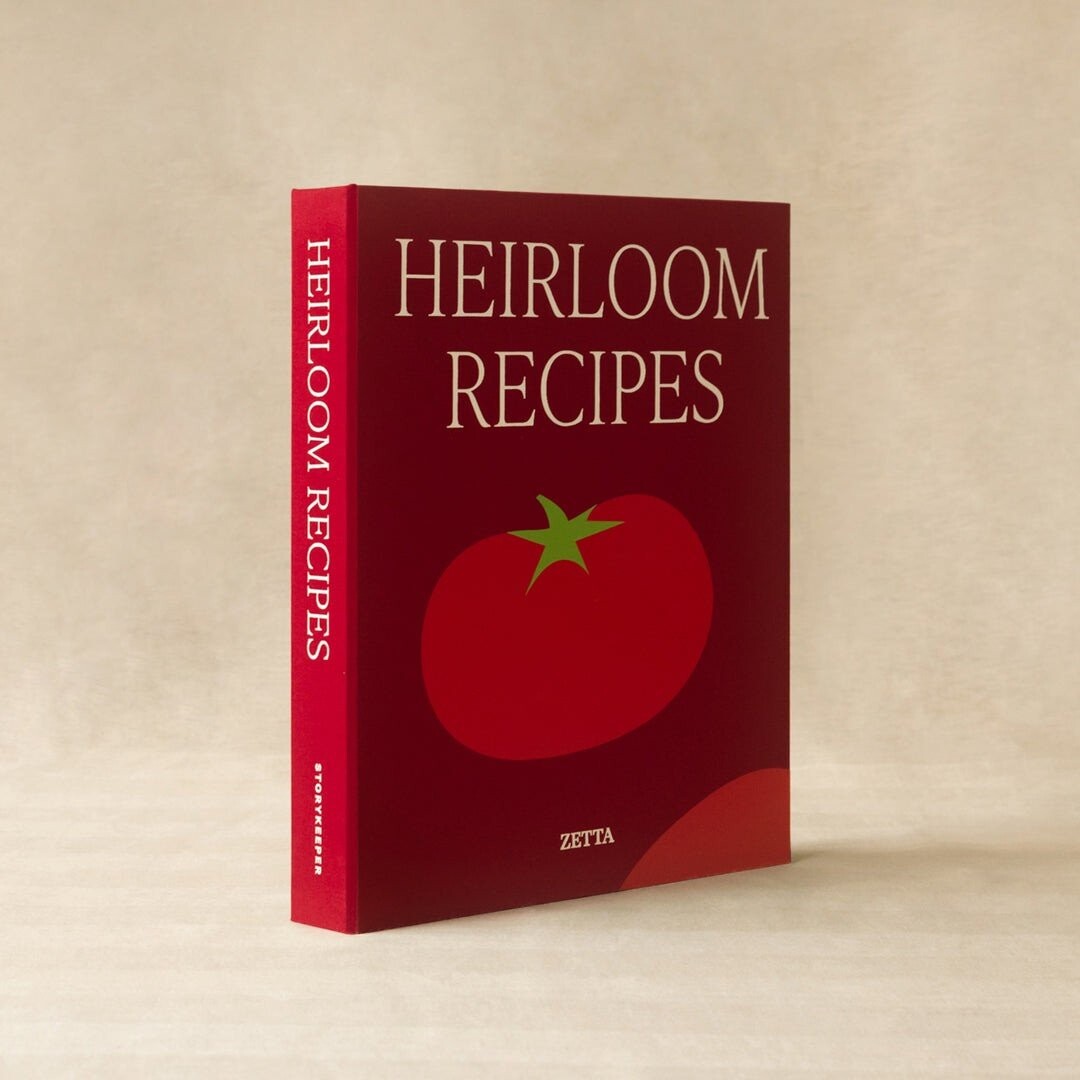
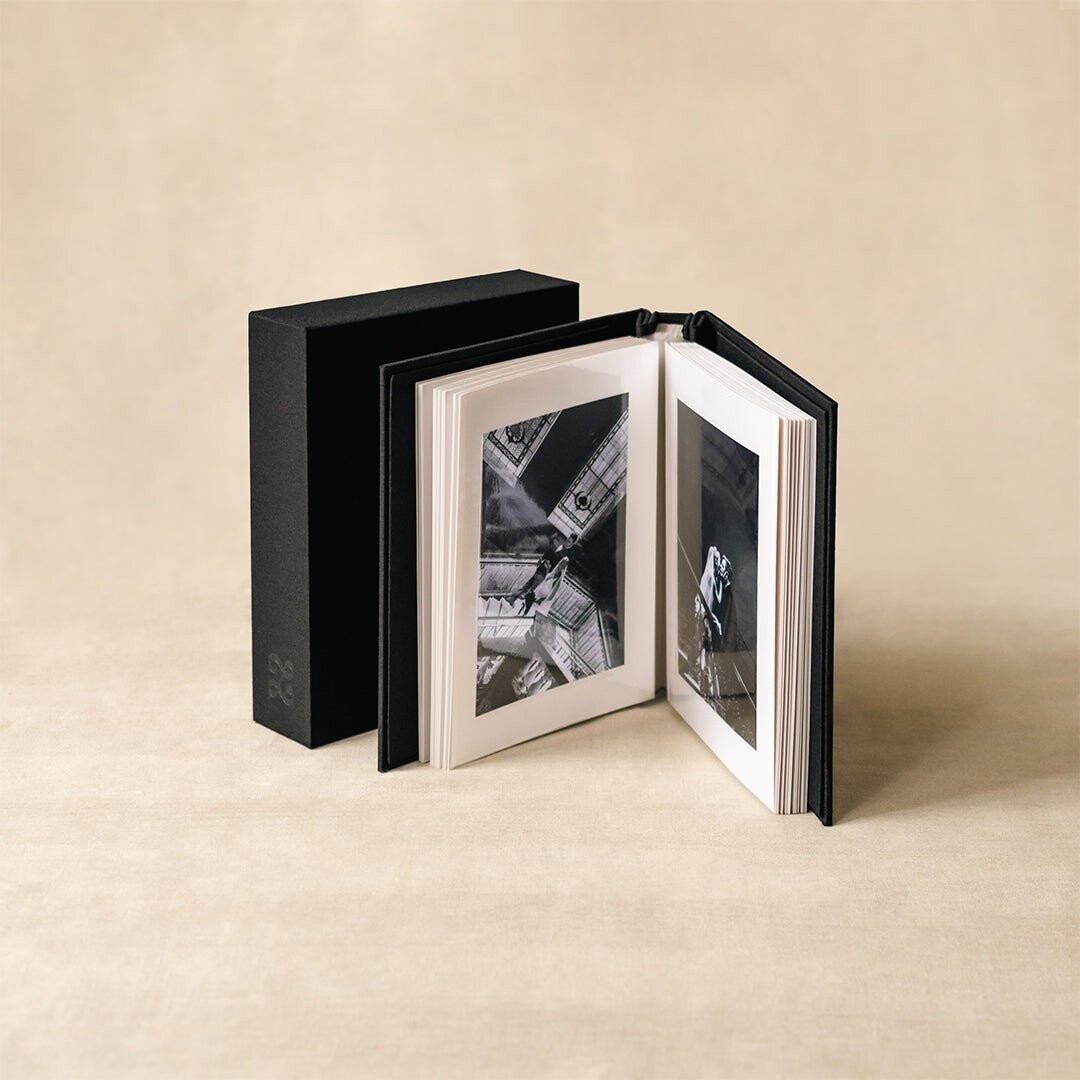
The store's online selection includes recipe journals and photographic albums as well as writing and desk goods. These make the memory theme tangible: a recipe can be recorded as something to pass on, while photographs can be gathered into a form that invites people to look through them. The object provides a structure for an activity the owner still makes personal.
For a gift, that can be more useful than choosing something purely because it is decorative. A person who writes, sketches, cooks, sends letters or collects photographs may value a different kind of paper object. Starting with that habit is a sensible way to approach the range without needing to turn every visit into a large creative project.
The Brunswick Street store publishes weekday hours of 10am to 6pm, Saturday hours of 10am to 5pm and Sunday hours of 11am to 5pm. It notes that hours extend in December, so seasonal arrangements should be checked separately. A direct phone number and email are available for more specific questions.
A blank page can be a beginning; an archival box can be a way of keeping what came before. At Zetta Florence, both belong in the same Fitzroy story.
Visit Zetta Florence
Zetta Florence
Address: 197B Brunswick Street, Fitzroy VIC 3065
Phone: 1300 034 496
Hours: Monday–Friday 10am–6pm; Saturday 10am–5pm; Sunday 11am–5pm; check December changes
Website: https://zettaflorence.com.au/
Email: info@zettaflorence.com.au