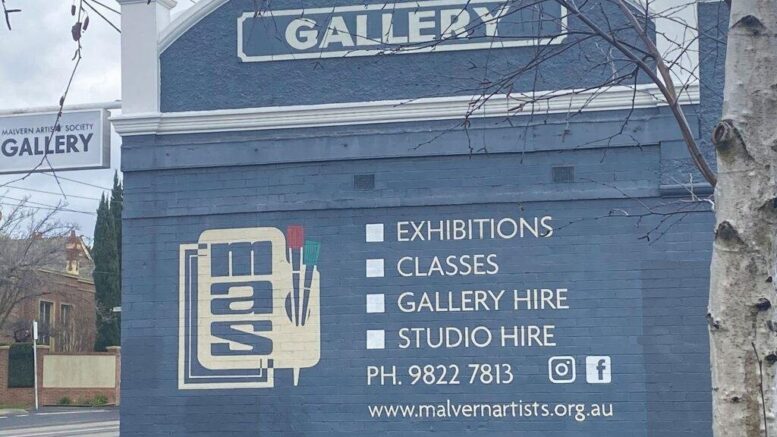
At the corner of High and Eva streets, Malvern Artists’ Society gives a familiar shopping street a different kind of invitation: come in and look, learn or make something. Its Art Centre at 1297–1299 High Street, Malvern, brings a gallery and working studio together, with a programme that reaches beyond the experienced painters its name might first suggest. Beginners are welcome, as are people whose main interest is simply looking at art.
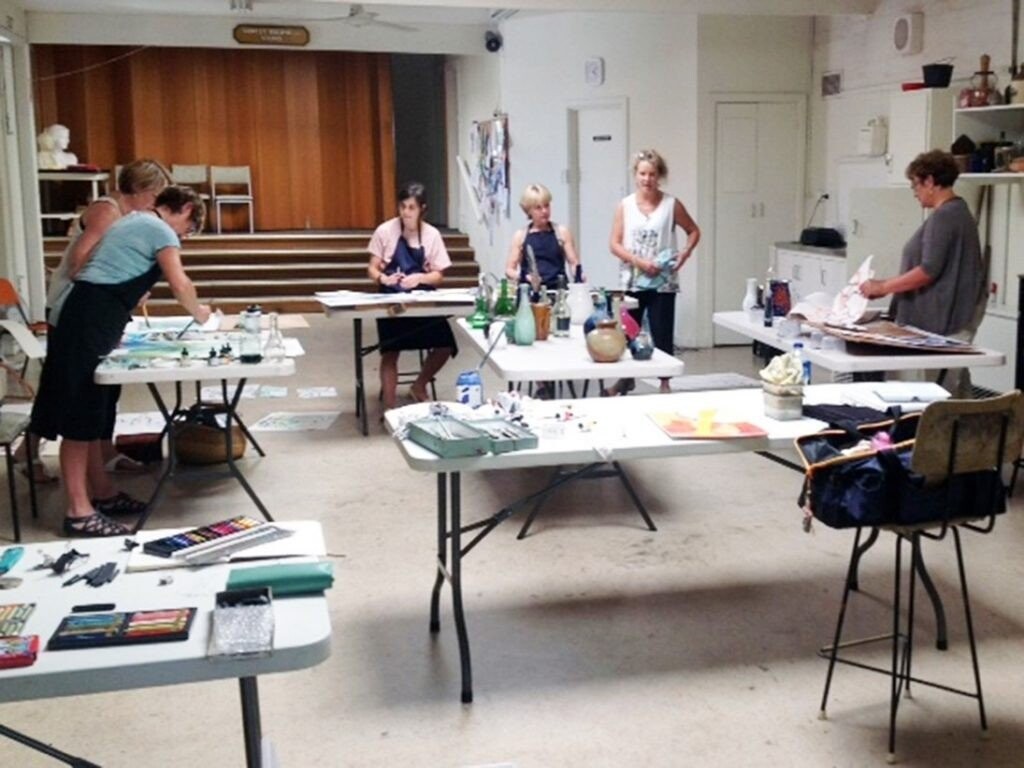
The society is a not-for-profit organisation, managed by a voluntary board elected by its members. That structure matters to its identity. This is a member-based local arts community rather than a commercial gallery representing a fixed stable of artists. Exhibitions, classes, studio time and social connections are different ways into the same organisation.
A local art centre with roots in 1957
The society traces its beginning to a group of ten artists who had held a successful exhibition at Malvern Town Hall. They founded MAS in 1957, and the purchase of its Art Centre in 1970 gave the organisation a permanent Malvern base. Those two dates tell a modest but substantial local story: artists first coming together to show their work, then securing somewhere for that activity to continue.
Its current website describes a welcoming and inclusive artistic experience as a central objective. The society also makes an explicit statement of inclusion across backgrounds, genders, sexualities, cultures, bodies, experience and abilities. That published position is useful for a prospective member who may be wondering whether an established art society is really for them.
There is no requirement to arrive with an exhibition history. Membership information welcomes visual artists at every stage of development, including beginners. It also welcomes people who love art, even when their interest does not fit neatly within a single medium. Current membership is for adults; supervised children may attend exhibitions, while classes and workshops are presently adult programmes.
More than one way to make a mark
Painting remains part of the picture, but the society’s list of members’ media is much broader. Oil and acrylic painting sit alongside watercolour, drawing, pastels and printmaking. Ceramics, sculpture, textiles, woodwork and photography also appear, as do mixed media, multimedia and digital art.
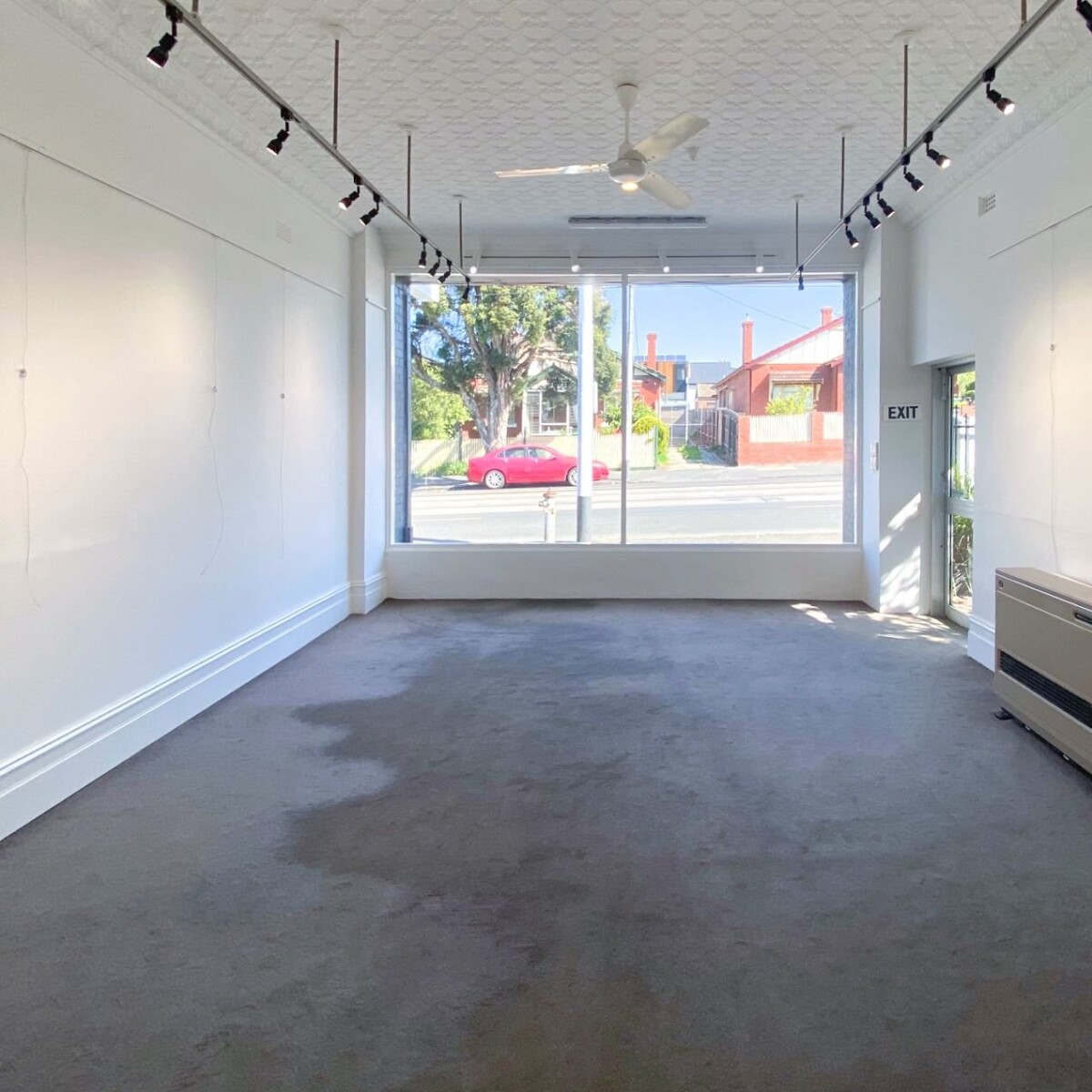
That range is worth noting before assuming that the centre is only for traditional easel painting. Its frequently asked questions explain that, although traditional styles were prominent in the early years, all kinds of visual art are now embraced. Three-dimensional and emerging digital work have a place in that wider definition.
The current learning programme offers a similarly varied starting point. Painting, watercolour, drawing, life drawing and mixed media are advertised on the society’s own site. Individual courses have their own dates, teachers and expectations, so the course description is the place to check the right fit rather than treating all classes as interchangeable.
Among the programmes listed during research were Drawing Fundamentals with Salvatore Trigila, acrylic painting with Lucy Fekete and an abstraction course with Narelle Callen. Their published descriptions move from basic drawing skills to layering and glazing, personal projects, composition and expressive mark-making. Enrolment and remaining places should be checked directly: a published course listing is not a guarantee that a seat is still available.
A class is not the only entry point
The public can attend classes without becoming members. That is an important distinction for someone trying a new medium or returning to art after a long break. Membership brings additional benefits, but the centre’s teaching programme is not presented as a closed club.
For members, the society lists a Monday-night open studio, a library of art books and magazines, and facilitated monthly outdoor painting outings among its opportunities. These are different sorts of support. A class offers structured teaching; an open studio gives people a setting in which to work on their own art; an outdoor outing takes the activity beyond the building.
There are also newsletters and the society’s journal, The Chronicles. Together, these give members ways to follow activities and contribute beyond a single class or exhibition. The appeal is not only access to a room or a teacher, but the possibility of an ongoing connection with other people who make and care about art.
A gallery that locals can walk into
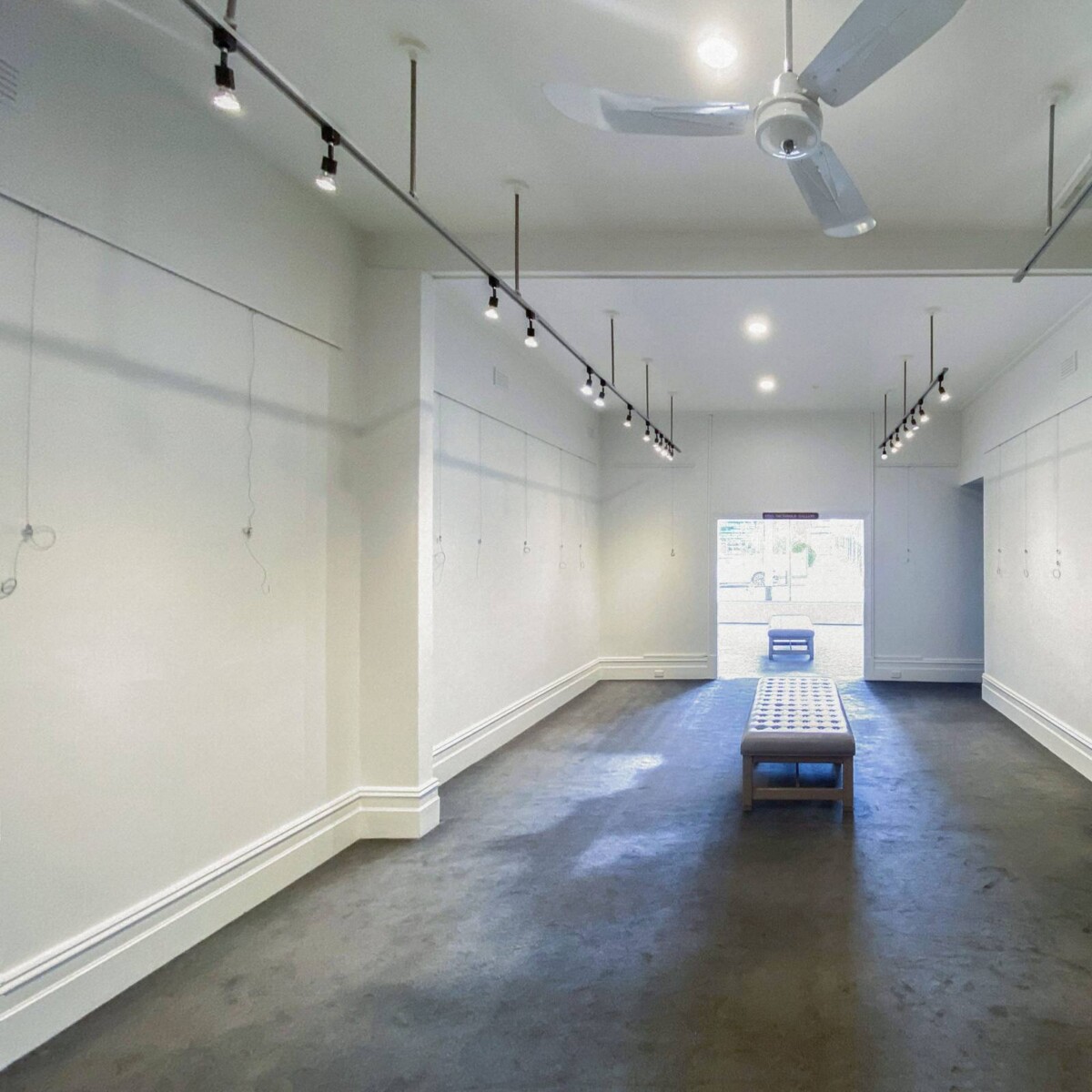
The gallery programme is another reason to keep the High Street address in mind. Exhibitions and opening events are typically open to the public without tickets, according to the society’s FAQ. An occasional opening may be invitation-only, so the individual exhibition information remains the authority.
Work in exhibitions is usually for sale, although some shows are display-only. That makes the gallery useful both for a visitor browsing and for someone interested in buying directly from an exhibition. It does not provide art valuations, a service the society specifically distinguishes from its exhibition activities.
Members have opportunities to participate in three annual members-only exhibitions. The gallery and studio can also be hired, subject to application, by members and the public, with solo and group exhibition proposals welcomed. Those arrangements give the centre more than one role: a place to see work, a place to develop it and a possible place to show it.
Plan around the programme, not a shop clock
Gallery hours follow exhibitions rather than a fixed year-round retail timetable. The society says the gallery is usually open daily while shows are running, but directs visitors to each exhibition’s flyer for the actual times. Its office has a separate schedule, Tuesday to Friday, 10am–3pm, excluding public holidays. Studio attendance follows class and workshop times.
For travel, the society identifies route 6 trams and stop 47 near High and Dixon streets as the closest stop. It also lists street parking nearby; visitors should check the signs and current restrictions. Anyone needing specific access arrangements should enquire before making the trip rather than assume that the building suits every requirement.
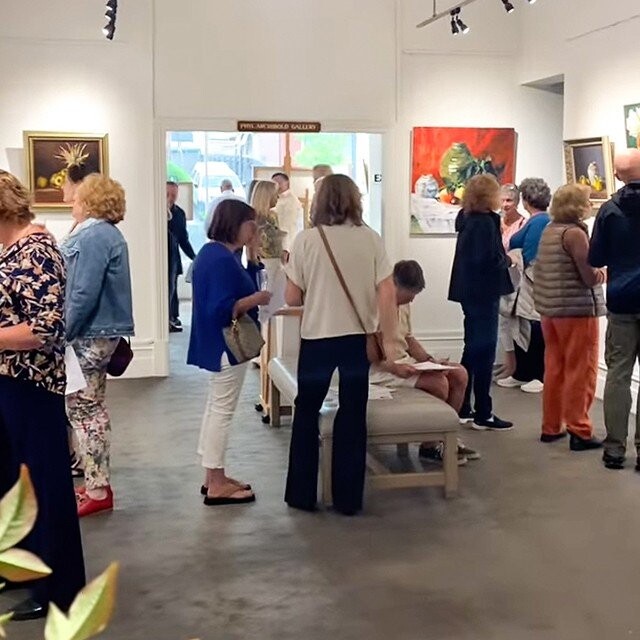
High Street can be a place to buy something already made. At Malvern Artists’ Society, it can also be a place to begin making something of one’s own. Start with the current exhibition, or find a class that leaves room to learn.
Visit Malvern Artists’ Society
Address: 1297–1299 High Street, Malvern VIC 3144
Phone: (03) 9822 7813
Hours: Office Tuesday–Friday 10am–3pm, closed public holidays. Gallery: exhibition-specific hours; studio: class/workshop timetable.
Website: https://malvernartists.org.au/
Email: Contact through the business website.
Socials: Instagram https://www.instagram.com/malvernartistssociety/ ; Facebook https://www.facebook.com/MalvernArtistsSociety