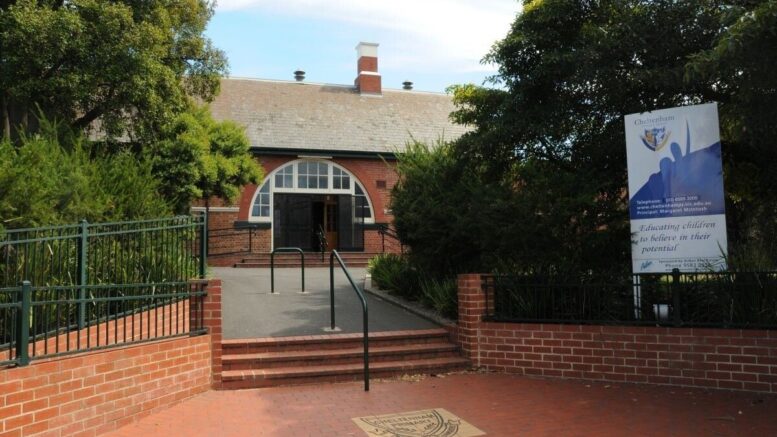
At 231 Charman Road, Cheltenham Primary School has a story that reaches back to 1855, alongside a school website that takes families from library borrowing to cooking lessons and community participation. Its grounds include an oval, gardens and a native sanctuary. Those outdoor spaces are part of the school's own account of its setting, but they also connect with a longer history of parents helping shape the place their children learn.
For a family exploring a neighbourhood school, the useful introduction is more than a founding date. Cheltenham's published information describes classroom learning, specialist activities and a Parents, Teachers and Friends Association. Together, they show several ways to understand the school before making an enrolment enquiry, while leaving current availability and individual needs to a discussion with its office.
From a wooden schoolroom to Charman Road
The school's history page says Frederick and Fanny Meeres established it as a private school in 1855. It began in a single-room wooden dwelling near the present location, under the name Beaumaris Wesleyan School. In 1863 it became a public school under the National Schools Board and took the name Beaumaris Common School No. 84.
The move onto Crown land in Charman Road followed in 1869. The school describes that as its current site, linking the address used by today's families with an educational history stretching well beyond the surrounding suburb's recent changes. Its account records further name changes before the Cheltenham name was adopted in the nineteenth century.
Parents also appear in the physical history. According to the school, a submission in 1910 helped secure land that had been set aside temporarily, effectively doubling its allocated grounds. The area includes the oval and sanctuary. That detail gives the school's community involvement a concrete local expression: not simply supporting activities, but helping establish space for future pupils.
Buildings and grounds shaped over generations
A major redesign commissioned in 1911 added four classrooms, two cloakrooms and an office. The school's historical account describes how rooms in that older building have been adapted to different uses over time. It also identifies the curved entrance archway as a feature of that redevelopment, giving a familiar school-building detail a place in the longer story.
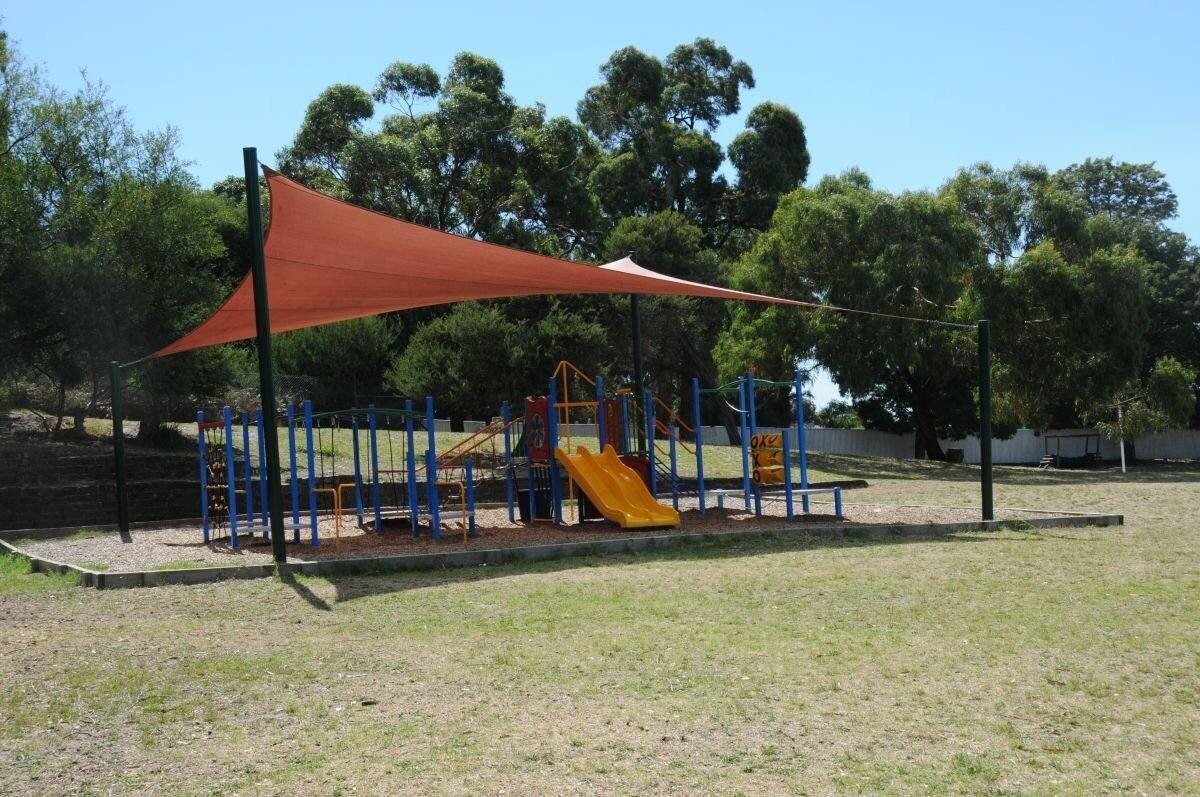
The native sanctuary was created in 1971 from ground that had served as a play area for more than a century. Parents constructed a gazebo in 1999, while the community's preparations for the 150th anniversary in 2005 included a new front fence, entrance and garden areas. These are dated milestones from the school's own history, not claims that every feature has remained unchanged.
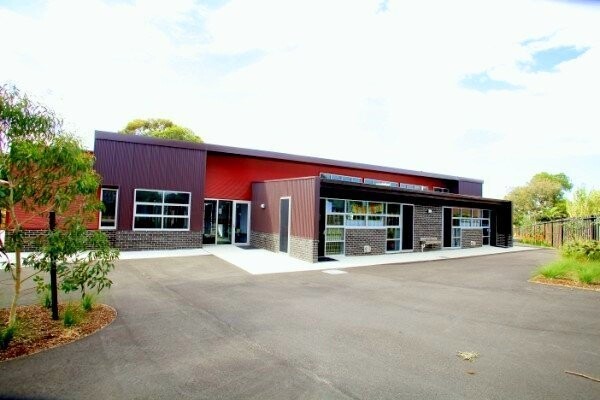
Another building project was completed in 2011 through the federal Building the Education Revolution program. The school says it provided six classrooms and additional flexible learning spaces. The result is a site whose published story includes both nineteenth-century origins and later classroom development, rather than a single building preserved without change.
Learning that includes a working kitchen
Cheltenham's Kitchen Classroom page describes fortnightly lessons with a specialist teacher. The activities include learning cooking techniques, knife skills, measuring and how to read, break down and carry out a recipe. The page connects those lessons with the school's kitchen-garden program and with learning how to store and prepare produce.
The online recipe collection offers a particularly tangible glimpse of that approach. Corn and zucchini fritters, Vietnamese coleslaw, savoury muffins, fried rice and crispy garden salad appear among its examples. These are recipes published by the school, not a promise about what a particular class will cook this term. The current timetable and menu are details for families to confirm.
Elsewhere, the school's STEAM information brings science, technology, engineering, the arts and mathematics together as an approach to enquiry and practical learning. It describes collaboration, experimentation and problem-solving as its aims. Those are educational intentions rather than independently measured outcomes for every student.
Books, research and the wider school day
The Library Resource Centre's published description combines literature with digital technology and multimedia resources. It says Foundation to Year 2 children have weekly library sessions, while Years 3 to 6 have fortnightly research sessions. The page also describes opportunities to borrow outside lesson time and access an ebook platform.
That distinction between a younger child's library visit and an older student's research work helps make the programme understandable to families. The library page also links to the Premier's Reading Challenge. Session frequency and access arrangements should be checked for the relevant school year, rather than treating an undated webpage as a permanent timetable.
A place for parents and friends
The Parents, Teachers and Friends Association describes its role as bringing parents, teachers, grandparents and other friends together through fundraising and social activities. Its published examples include Mother's Day and Father's Day stalls and Easter and Christmas raffles. The page says involvement can take different forms, including contributing ideas, enthusiasm or time.
The association publishes a monthly meeting pattern during term, alternating afternoon and evening sessions. Families considering involvement can check the current meeting details with the school. It is one route into the community around the classrooms, alongside the everyday conversations that begin with a school enquiry.
For prospective families, the enrolments page links to Victoria's Find My School service for designated school-zone information and directs readers to the office for school tours and enrolment questions. Some website pages retain older anniversary wording, so current arrangements deserve confirmation. The starting point remains clear: a Charman Road school with a long local history and practical information about how to learn more.
Visit Cheltenham Primary School
Address: 231 Charman Road, Cheltenham VIC 3192
Phone: (03) 8585 3200
Hours: Contact the school office about tours and enrolment
Website: https://cheltenhamps.vic.edu.au/
Email: cheltenham.ps@education.vic.gov.au